Air Conditioning Repair Service for Residential Systems
A residential air conditioner is a simple thing right up until it is not. One day it is quietly moving heat out of the house like a polite guest. The next, it is humming, wheezing, dripping, tripping a breaker, or blowing room-temperature air with the confidence of a desk fan wearing a hard hat.
That is where a proper air conditioning repair service earns its keep.
Residential cooling systems sit at the crossing of several trades. Air conditioning contractors handle the equipment that cools, heats, ventilates, and moves air. Depending on the job, the work may brush up against electrical connections, refrigerant handling, condensate drainage, heating equipment, plumbing tie-ins, and sometimes the kind of old-house creativity that makes technicians stare silently for several seconds before reaching for a flashlight. Plumbing, heating, and air-conditioning work is recognized as a special trade area, while electrical work is its own distinct trade. In real homes, though, the systems do not always respect those neat categories. A cooling complaint can lead to a clogged condensate drain, a failed electrical component, an airflow problem, or a poorly charged system.
The trick is not guessing faster. The trick is diagnosing better.
What an air conditioning repair service actually does
An air conditioning repair service for a home is not just “make cold air happen.” That may be the customer-facing version, especially when the thermostat says 78 and the living room feels like soup, but the technical work is more disciplined than that.
An air conditioning contractor’s core business is installing and maintaining heating, ventilation, and air-conditioning equipment. Repair belongs naturally in that world because equipment does not stay new, clean, calibrated, or correctly adjusted forever. Residential HVAC work can include installation, maintenance, repairs, duct cleaning, and the plumbing or electrical work associated with heating and cooling equipment. That last phrase matters. A central air conditioner is not a lonely box outside the house. It depends on the indoor equipment, the thermostat, the duct system, the electrical supply, the refrigerant circuit, and drainage for moisture removed from the air.
A good technician starts by separating symptoms from causes. Warm air from the vents might suggest a refrigerant issue, but it can also point toward airflow trouble, a control problem, an outdoor unit that is not operating, or an indoor blower that is not moving air properly. Water near the indoor unit might be a cooling problem, a drain problem, or both. A system that starts and stops too often may be mis-sized, dirty, improperly charged, or responding to a separate control issue. The repair process is part mechanical, part electrical, part detective work, and part explaining to a sweaty homeowner why “just adding refrigerant” is not always the heroic move they hoped for.
That is one reason residential HVAC companies often overlap with related services. A full-service contractor may also have a plumber, electrician, heating contractor, furnace repair service, gas installation service, lighting contractor, septic system service, or specialists in water heater repair and water heater installation. Not every company offers all of that, and not every job needs it. But homes are networks, not isolated appliances. Cooling equipment can be affected by electrical supply, drainage, heating system configuration, and installation quality.
Repair is not the same as replacement, though salespeople sometimes get excited
There is a time to repair and a time to replace. There is also a time to ask whether the person telling you to replace your system has finished testing it, because a clipboard and a concerned expression are not diagnostic instruments.
A repair focuses on returning the existing air-conditioning system to proper operation. Replacement means removing equipment and installing new equipment. Installation quality is a separate discipline, and an important one. Proper HVAC installation includes correct equipment sizing and correct refrigerant charging. A correctly charged air conditioner or heat pump can use less energy and be less likely to fail than one that is poorly charged. That is not glamorous, but neither is paying for comfort and receiving lukewarm air as a subscription service.
Sizing deserves special attention. Residential customers often assume bigger equipment must be better. It sounds reasonable, in the same way that buying shoes two sizes too large sounds like extra value. In practice, correct sizing matters because equipment needs to match the home and the load it serves. Oversimplifying that process can lead to poor comfort and unnecessary strain. A heat pump installation or air conditioner replacement should not be treated like swapping out a toaster.
Repair also has boundaries. If a system has repeated failures, poor installation history, major component trouble, or performance issues tied to incorrect sizing, repair may become a temporary patch rather than a sensible fix. On the other hand, many cooling failures are serviceable. Maintenance-related issues, failed parts, electrical faults, airflow restrictions, and drainage problems may be addressed without replacing the whole system. The technician’s job is to tell the difference, preferably without theatrical sighing.
The residential AC system is a team sport
A home cooling system includes indoor and outdoor components, controls, air movement, moisture removal, and usually a duct system. When one part sulks, everyone else feels it.
The outdoor unit releases heat. The indoor equipment absorbs heat from the home’s air and helps manage humidity. The blower moves conditioned air through the ductwork. The thermostat calls for cooling. Refrigerant carries heat through the system. Electrical components start, stop, and protect the equipment. Condensate drainage handles moisture. None of these parts wins a trophy alone.
That is why air conditioning repair often starts with basic observations. Is the thermostat calling? Is the indoor blower running? Is the outdoor equipment operating? Is air moving through the vents? Are filters or coils dirty? Is there water where it should not be? Is there an obvious electrical fault? A technician who skips the fundamentals can chase fancy theories while the simple problem sits there in plain sight, wearing a fake mustache.
The best repair visits feel methodical, not mysterious. The technician checks operation, measures what needs measuring, inspects related components, and follows evidence. The homeowner may only care about comfort, fairly enough, but the system cares about physics. It will not behave because someone negotiated with it.
Refrigerant is not magic juice
Few phrases in residential cooling are abused more than “it just needs Freon.” Many homeowners use that phrase generically to mean refrigerant, and the instinct is understandable. Warm air comes out, refrigerant must be low, add refrigerant, cold air returns. Nice tidy story. Unfortunately, air conditioners are rarely that considerate.
Refrigerant is part of a closed cooling circuit. If a system is low, there may be a reason. Adding refrigerant without understanding the condition of the system can leave the real problem untouched. Proper charging matters for energy use and failure risk. Too little or too much refrigerant can hurt performance. A quality air conditioning repair service does not treat refrigerant like windshield washer fluid.
There is also a regulatory side. Air conditioners and other refrigeration equipment are covered under rules that define appliances and apply to maintenance, service, and repair work. Technicians who service or repair this equipment are part of that regulated environment. That is another reason to use a qualified air conditioning contractor rather than a neighbor’s cousin who “has gauges somewhere.”
A technician should evaluate the system before charging it. Charging is not a vibes-based ritual. It depends on the equipment, conditions, and correct service procedure. Done properly, it supports comfort and equipment reliability. Done casually, it can turn one problem into several, which is efficient only if the goal is to make everyone sad.
The quiet importance of air conditioning maintenance
Air conditioning maintenance is not as dramatic as emergency repair. Nobody posts a triumphant photo of a clean coil and writes, “We survived.” Still, maintenance is the reason many emergency calls never happen.
An air conditioning tune-up gives a contractor the chance to inspect operation, clean or check key components, verify airflow-related concerns, look at electrical connections associated with the equipment, evaluate refrigerant performance, and catch signs of trouble before the system fails during the least convenient week of the year. Residential systems work hardest when outdoor temperatures climb and everyone in the house expects instant comfort. That is also when neglected problems tend to introduce themselves with comic timing.
Maintenance does not make equipment immortal. Nothing does. But it can improve the odds that the system runs as designed. It also creates a service history. A homeowner who knows the unit has been checked, cleaned, and adjusted has better information when deciding whether a repair is reasonable or replacement should be discussed.
The funny thing about HVAC maintenance is that people often value it most after skipping it. A dirty system, poor airflow, weak performance, or a neglected drain can turn into a repair call. Then the technician says something like, “This could have been caught earlier,” and everyone stares at the floor, including the dog.
When the problem is not really the air conditioner
A residential cooling complaint sometimes begins with the AC but ends elsewhere. This is why trade overlap matters.
Condensate drainage is one example. Air conditioners remove moisture from indoor air, and that water needs somewhere to go. If the drain path is blocked or poorly configured, the homeowner may see water near the indoor equipment and assume the air conditioner is broken. The cooling system may be operating, but the drainage side needs attention. Depending on the home and the contractor’s services, that may connect to plumbing work, drain cleaning, rooter service, or another drainage-related repair. In some homes, broader plumbing services such as plumbing leak repair or plumbing repiping may be relevant to other issues found during a visit, though they are separate from ordinary AC repair.
Electrical issues are another common neighbor. Air conditioning equipment relies on electrical components and safe power delivery. If a breaker trips, a contactor fails, a control circuit misbehaves, or the unit does not receive power properly, the cooling system may look like the villain while the electrical side writes the script. Electrical work is classified separately from plumbing, heating, and air-conditioning work, so the right professional matters. Sometimes an HVAC technician can handle equipment-related electrical components. Sometimes an electrician is the proper call, especially if the issue belongs to the home’s electrical system rather than the HVAC equipment itself.
Heating equipment can enter the picture too. Many residential systems share indoor components between heating and cooling. A heating contractor or furnace repair service may be involved when the indoor equipment serves both comfort seasons. Heat pump systems blur the line further because they provide heating and cooling through related equipment. A heat pump installation or repair demands attention to both modes of operation, not just the one that happens to be failing that afternoon.
Then there are homes where multiple services live under one roof, so to speak. A contractor may offer air conditioning repair, water heater installation, water softener installation, hydrojetting, septic system service, gas installation service, and lighting contractor services through different qualified teams. That can be convenient, but convenience should not replace competence. The person working on the equipment should be trained for that equipment and the task at hand.
Signs a service call should not wait
Some AC problems are annoying. Others should move higher on the calendar. Homeowners do not need to diagnose every fault, but they should know when to stop hoping the system “just needs a rest,” which is something air conditioners do not generally request in writing.
A service call is wise when cooling performance changes noticeably, airflow drops, the system runs but does not condition the house, water appears around indoor equipment, the outdoor unit does not operate when cooling is called, electrical protection trips repeatedly, or the system makes a new noise that sounds expensive. “Expensive” is not a technical category, but anyone who has heard a mechanical screech at 10 p.m. Knows the genre.
Here is a short homeowner sanity checklist before calling for air conditioning repair service:
- Confirm the thermostat is set to cooling and the temperature setting is below the room temperature.
- Check whether air is coming from the vents and whether the indoor blower seems to be running.
- Look at the electrical panel only for an obvious tripped breaker, without repeatedly resetting it.
- Check for visible water near the indoor unit or signs of a clogged condensate path.
- Note any unusual sounds, smells, or timing patterns so the technician starts with better clues.
That list is not a repair manual. It is a way to avoid paying for a visit because the thermostat was set to heat by a houseguest, a child, or a ghost with strong opinions. Repeated breaker trips, visible damage, suspected wiring issues, or anything that feels unsafe should be left alone until a qualified professional checks it. Bravery is admirable. Bravery with electricity is often paperwork.
Why “tune-up” should mean more than a sticker on the unit
The phrase air conditioning tune-up gets thrown around so casually that it can mean anything from a careful inspection to someone waving at the condenser from the driveway. A useful tune-up should be tied to actual system performance and maintenance needs.
For residential equipment, the value lies in checking the system as a system. That includes the cooling operation, air movement, indoor and outdoor components, electrical elements associated with the equipment, refrigerant performance, and drainage. If the company also provides heating services, the visit may reveal issues related to shared components, especially in systems connected with furnaces or heat pumps. If the technician finds something outside HVAC scope, such as a plumbing leak repair need or an electrical panel concern, the next step should be clear and appropriate.
A tune-up is also a good time for plain conversation. How old is the equipment? Has comfort changed? Are some rooms consistently warmer? Has the system needed repeated repair? Was there a recent renovation, duct change, or thermostat replacement? These details help a contractor judge whether the issue is maintenance, repair, installation quality, sizing, or the broader layout of the home’s comfort system.
The best technicians I have worked around do not rush the homeowner through these questions. They ask, listen, test, then explain. They also avoid promising miracles. A tune-up can improve neglected equipment and catch problems early, but it cannot correct every installation error or reverse every year of wear. It is maintenance, not a spa weekend for machinery.
Choosing an air conditioning contractor without needing a lie detector
Hiring a residential air conditioning contractor is partly technical and partly practical. You want someone who understands HVAC systems, handles refrigerant and equipment correctly, communicates clearly, and knows when another trade is required. You also want someone who does not treat every repair visit as an audition for a full system replacement.
Professional HVAC contractors are specialized in installing and maintaining heating, ventilation, and air-conditioning equipment. Trade associations exist for contractors who design, install, maintain, and service HVACR systems across residential and other settings. That does not mean every contractor is equal. It means the field has recognized standards, categories, and expectations.
A homeowner can learn a lot from how a company talks before anyone opens the unit. Do they ask what the system is doing? Do they schedule enough time for diagnosis? Do they explain service charges? Do they distinguish air conditioning maintenance from air conditioning repair? If the issue may involve electrical or plumbing work, do they clarify who handles that and under what qualifications? A company that offers plumber, electrician, heating contractor, furnace repair service, or septic system service under the same brand should still be clear about which trained person performs which task.
A good repair conversation should include the diagnosis, the recommended repair, any alternatives, and the reasoning behind them. If refrigerant charging is involved, the contractor should treat it as a technical procedure, not a casual top-off. If replacement is recommended, sizing and installation quality should be part of the discussion. If a heat pump installation is being considered, both heating and cooling performance should be addressed.
A little skepticism is healthy. Not hostile, just awake. The contractor should be able to explain the problem in language a homeowner can understand without turning the visit into a lecture on thermodynamics with props.
The cost question, also known as “how bad is it?”
People naturally want a price before the technician arrives. That is fair. It is also not always possible to price accurately without diagnosis. “My AC is not cooling” can describe a wide range of issues. Some are minor. Some are not. Some involve equipment components, some involve airflow, some involve electrical service to the equipment, some involve refrigerant condition, and some reveal installation problems that have been lurking quietly like raccoons in formalwear.
A reputable air conditioning repair service can usually explain its diagnostic fee or service call structure in advance. After diagnosis, the contractor should provide repair options when options exist. Sometimes the choice is straightforward. Sometimes the homeowner must weigh a repair against the age, condition, and history of the system. If the equipment has recurring failures, poor performance, or evidence of improper installation, replacement may enter the conversation. If the problem is isolated and the system is otherwise sound, repair may be the sensible path.
Cost also connects to maintenance. Preventive service is not free, but neither are emergency calls, water damage from drainage problems, or premature equipment failure linked to poor setup or neglect. Proper charging and proper installation can reduce energy consumption and lower failure risk, which is exactly the sort of https://geebo.com/services/view/id/1965575-service-lion-plumbing-heating-/ boring sentence that becomes interesting when the utility bill arrives.
Repair, maintenance, installation: three different hats
Residential HVAC service often uses the same company name for different kinds of work, but the work itself changes depending on the need.
Repair responds to a failure or performance problem. Maintenance checks and preserves operation before failure, or before a small issue becomes a large one. Installation replaces or adds equipment and must account for sizing, charging, and system integration. A skilled air conditioning contractor may provide all three, but they require different judgment.
Here is the cleanest way to think about it:
- Air conditioning repair fixes a specific fault or restores lost performance.
- Air conditioning maintenance inspects, cleans, checks, and adjusts to support reliable operation.
- Air conditioning tune-up is a maintenance visit that should include meaningful system checks, not just a label.
- Air conditioner or heat pump installation requires correct sizing and proper refrigerant charging.
- Related trades may be needed when the issue involves home electrical systems, plumbing drainage, gas work, or other non-HVAC systems.
That distinction helps homeowners ask better questions. “Can you fix it?” is fine. “Why did it fail, and is there anything about the system that makes failure more likely?” is better. It moves the conversation from panic to planning.
The odd household dominoes that show up during AC calls
One of the reasons residential service work stays interesting is that houses age in layers. A cooling system may be newer than the ductwork. A thermostat may have been replaced without much thought. Plumbing may have been altered during a remodel. A water heater installation may have changed the mechanical room layout. A water softener installation may share space with HVAC equipment. Drain cleaning or hydrojetting may be needed elsewhere in the home and discovered because someone finally looked closely at a utility area. None of these automatically causes an AC problem, but they show how crowded and interconnected residential mechanical spaces can become.
The key is not to blame everything on everything. That way lies madness and very long invoices. The key is to identify what affects the cooling system and what merely happens to be nearby. A condensate drain issue may be directly related. A septic system service need is probably separate, unless the home’s broader drainage problem has some specific connection that a qualified professional identifies. A lighting contractor may work in the same house but not on the AC. A gas installation service may matter for heating equipment but not for a standard cooling fault. Good contractors respect these boundaries.
Homeowners should appreciate that honesty. “That is not our trade” can be one of the most trustworthy sentences in service work. It means the contractor knows the edge of the map and is not planning to sail off it with your checkbook.
What good communication sounds like on a repair visit
The technical repair matters most, but communication can determine whether the homeowner feels informed or cornered. A strong technician explains what was tested, what was found, and why the recommended action fits the evidence. They do not need to turn every visit into a seminar, but they should not hide behind jargon either.
For example, if the system is not cooling because the outdoor unit is not operating, the homeowner should hear what prevented operation. Was it an equipment electrical component? A control issue? A power supply issue that needs an electrician? If refrigerant performance is poor, the homeowner should hear why the charge is being evaluated and what the next steps are. If airflow is weak, the explanation should connect to filters, blower operation, duct concerns, or indoor components as appropriate.
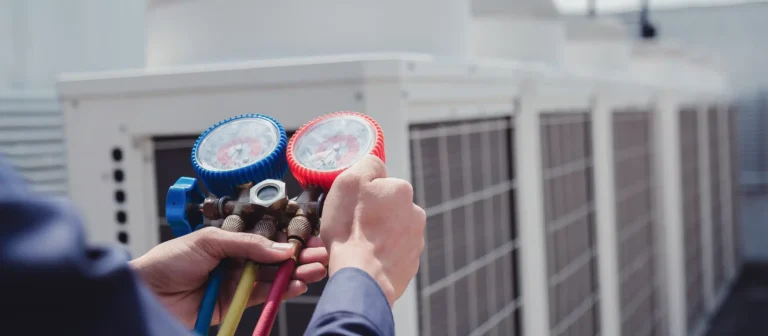
A good contractor also distinguishes immediate repair from recommended maintenance. If a repair gets the system running but the unit is dirty or overdue for an air conditioning tune-up, that is worth saying. If the repair will be costly and the system has broader concerns, that is worth saying too. The difference is tone and evidence. Helpful advice sounds like, “Here is what we found and how I would weigh the options.” Pressure sounds like, “Bad news, your entire house needs a new personality.”
The homeowner’s role: small habits, big effects
Homeowners do not need to become HVAC technicians. Most have enough to do without learning refrigerant theory between dinner and laundry. Still, a few habits make service easier and systems happier.
Pay attention to changes. A system that takes longer to cool, runs more often than usual, leaves some rooms uncomfortable, or starts making new sounds is asking for attention. Schedule air conditioning maintenance before peak heat if possible. Keep access to indoor and outdoor equipment reasonable. Tell the technician what has changed, even if it seems unrelated. Recent plumbing work, electrical work, renovations, thermostat changes, or heating repairs can all be useful context.
Do not repeatedly reset breakers to force equipment to run. Do not ignore water near indoor equipment. Do not assume poor cooling always means low refrigerant. And please, do not build a storage fortress around the indoor unit and then look surprised when the technician needs to reach it. Mechanical equipment enjoys breathing room. So do technicians carrying tools.
The real goal: boring comfort
The best residential air conditioning repair service leaves behind something wonderfully dull: a system that works, a homeowner who understands what happened, and no lingering sense that the house is plotting revenge.
Air conditioning repair is part of a larger residential service world that includes heating, ventilation, cooling, plumbing, electrical work, drainage, water heaters, gas systems, and sometimes more. Those categories are recognized as distinct trades for good reasons, but homes bring them close together. The right contractor knows both the equipment and the boundaries.
When cooling fails, start with a qualified air conditioning contractor who diagnoses before prescribing. Value maintenance because it catches trouble early. Treat refrigerant charging and equipment sizing as serious technical matters, because they are. Bring in a plumber, electrician, heating contractor, or other specialist when the problem belongs to that trade. And when a technician explains the issue clearly without drama, appreciate it. In home comfort, boring is not an insult. Boring means the air is cool, the drain is clear, the equipment is behaving, and nobody is standing in the hallway fanning themselves with a utility bill.
Name: Service Lion Plumbing Heating Air Electric
Address: 521 W Briardale Ave, Orange, CA 92865, United States
Phone: (657) 567-7305
Website: https://callservicelion.com/
Email: [email protected]
Hours:
Monday: Open 24 hours
Tuesday: Open 24 hours
Wednesday: Open 24 hours
Thursday: Open 24 hours
Friday: Open 24 hours
Saturday: Open 24 hours
Sunday: Open 24 hours
Open-location code: R48R+WV Orange, California, USA
Map/listing URL:
https://www.google.com/maps/search/?api=1&query=Google&query_place_id=ChIJQU4LBWHV3IARtnABtyykSA4
Google Map:
Socials:
https://www.facebook.com/ServiceLionCA/
https://www.youtube.com/channel/UCR_L35QzsRTxYZtX8PxJvPw
Local Service Information
Service Lion Plumbing Heating Air Electric provides plumbing, drain, heating, air conditioning, and electrical services from its Orange, California location.The company serves homeowners and properties throughout Orange and communities across Orange County and surrounding areas.
Available services include plumbing repairs, water heater work, drain and sewer services, heating and cooling service, electrical repairs, panels, lighting, outlets, and related home-system work.
Service is available for residential properties as well as light commercial needs described within the company's local service-area information.
The company's website emphasizes locally operated service, coordinated home-system support, and practical scheduling for plumbing, HVAC, and electrical needs.
The matching public business listing shows the Orange location as open 24 hours a day, seven days a week.
For service information or scheduling, call (657) 567-7305 or visit https://callservicelion.com/.
The public map listing identifies the business at 521 W Briardale Ave, Orange, CA 92865 and can be used for location and direction information.
Popular Questions About Service Lion Plumbing Heating Air Electric
What services does Service Lion Plumbing Heating Air Electric provide?
The company provides plumbing, drain and sewer, heating, air conditioning, and electrical services. Its published services include plumbing repair, water heaters, drain clearing, sewer work, HVAC repair and installation, electrical repairs, panels, circuit breakers, lighting, outlets, and related services.
Where is Service Lion Plumbing Heating Air Electric located?
The matching business location is 521 W Briardale Ave, Orange, CA 92865, United States.
What areas does Service Lion Plumbing Heating Air Electric serve?
The company serves Orange County and surrounding communities. Its published service-area information includes Orange, Anaheim, Brea, Yorba Linda, Fullerton, Huntington Beach, Newport Beach, Costa Mesa, Irvine, Lake Forest, and additional nearby cities.
Is Service Lion Plumbing Heating Air Electric open 24 hours?
The matching public business listing shows the location as open 24 hours on Monday through Sunday.
Does Service Lion Plumbing Heating Air Electric work on drains and sewer lines?
Yes. Published services include drain clearing, rooter service, camera inspection, hydro jetting, sewer line repair and installation, water line work, slab leak detection, and trenchless sewer line repair.
Does Service Lion Plumbing Heating Air Electric provide heating and air conditioning service?
Yes. Its published HVAC services include air conditioning repair and installation, heating service, furnace work, heat pumps, air ducts, indoor air quality assessments, and thermostat installation.
Does Service Lion Plumbing Heating Air Electric provide electrical service?
Yes. Published electrical services include repairs and installations, electrical panels, circuit breakers, safety inspections, lighting, outlets and switches, surge protection, generators, and EV charging equipment installation.
How can I contact Service Lion Plumbing Heating Air Electric?
Call (657) 567-7305.
Email: [email protected]
Website: https://callservicelion.com/
Facebook: https://www.facebook.com/ServiceLionCA/
Landmarks Near Orange, California
Old Towne Orange Historic District
A central historic district and useful geographic reference point for the Orange community.
Plaza Park
A well-known public gathering point in the center of Old Towne Orange.
Orange Public Library & History Center
A civic landmark serving residents near central Orange.
Hart Park
A major public park and recreation area south of central Orange.
Eisenhower Park
A public park serving neighborhoods in northern Orange.
Santiago Oaks Regional Park
A regional recreation and open-space landmark on the eastern side of Orange.
Irvine Regional Park
A large regional park and recognizable reference point east of the city.
Orange Park Acres
A distinctive residential community and service-area reference point in eastern Orange.
El Modena
An established Orange neighborhood that provides a practical local coverage reference.
Glassell Street
One of the city's principal north-south streets and a useful route through central Orange.
Lincoln Avenue
A major east-west roadway serving northern Orange and nearby communities.
State Route 55
A primary regional freeway connecting Orange with other parts of Orange County.