Gas Installation Service and Heating Equipment Considerations
Gas work has a way of humbling people. Water leaks announce themselves with puddles, electrical faults may trip a breaker, and a bad drain can make itself known in language unfit for polite company. Gas, on the other hand, prefers drama with poor visibility. That is why a gas installation service is not the place for guesswork, bargain-bin bravado, or a cousin with a wrench who once watched half a video.
Heating equipment brings its own personality to the party. Furnaces, boilers, heat pumps, air handlers, ductwork, controls, refrigerant systems, and water heaters all need to work as a system, not as a random collection of metal boxes making expensive noises in a basement. The best installations look boring when finished. That is the compliment. No strange smells, no mystery shutoffs, no rattling ducts, no uneven rooms, no service technician muttering into the equipment cabinet like a detective at a crime scene.
A properly run plumbing and HVAC contractor is part technician, part diagnostician, part code-conscious adult in the room. The work sits in a trade category that includes plumbing, heating, air conditioning, furnace repair, heating equipment installation, plumbing repair, refrigeration work, sewer hookups, sump pump service, and water pump installation. Electrical work is its own specialized trade, though heating and cooling systems often need an Electrician or qualified electrical support involved because modern comfort equipment does not run on good intentions.
The funny thing about heating equipment is that homeowners usually care about it only twice: when buying it and when it betrays them. Between those moments, it lives in mechanical-room exile. Yet the quiet choices made during gas installation, heating system sizing, ventilation planning, and routine service determine whether the system lasts, performs efficiently, and avoids becoming the family’s most expensive appliance-shaped regret.
Gas installation is not just connecting pipe
A gas installation service sounds simple if you say it quickly. Pipe goes from here to there, appliance lights, everyone claps. Real life is less theatrical and more exacting.
Gas piping has to serve the equipment safely and reliably. The contractor needs to understand the appliance being connected, the route of the gas line, shutoff access, ventilation requirements, combustion needs, and how the new work interacts with the existing mechanical system. Even if the job looks small, the consequences are not. A sloppy drain line is annoying. A sloppy gas line is a career-ending kind of mistake, and worse.
That is why gas work belongs with qualified professionals who understand plumbing and heating systems. A Plumber may be involved where gas piping falls within their permitted scope. A Heating contractor may handle equipment installation and fuel connection depending on licensing and local requirements. When controls, circuits, or panel work enter the picture, an Electrician may need to be part of the job. The homeowner does not need to memorize every trade boundary. They do need to hire a contractor who respects those boundaries instead of waving them away with, “We do this all the time.”
That sentence, by the way, is not a credential. It is a sentence.
Gas appliances also do not live alone. A furnace may share space with a water heater. A water heater installation may affect venting arrangements. A heat-producing appliance may need combustion air. A heating upgrade may expose weak ductwork or aging controls. One change in a mechanical room can tug on three other systems like a toddler pulling a tablecloth.
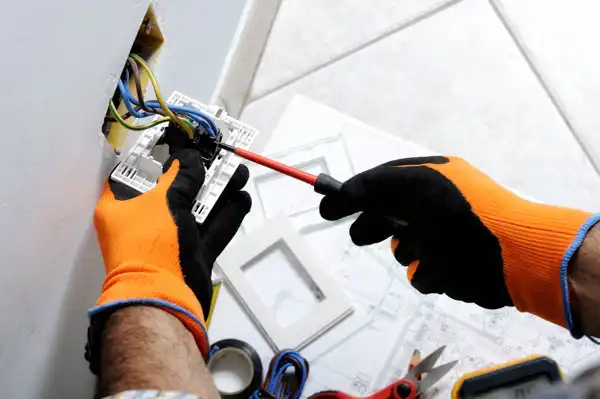
The best contractors slow down at the beginning. They ask what equipment is present, what is being replaced, what fuel is used, what other work is planned, and whether there have been comfort or reliability complaints. That is not stalling. That is preventing the kind of return visit where everyone stands around looking at the equipment with their hands on their hips.
Heating equipment has to be sized, not guessed
One of the great sins of heating and cooling work is the oversized system. It feels logical at first. Bigger furnace, more comfort. Bigger air conditioner, colder house. Bigger heat pump, happier household. By that logic, every commuter should drive a school bus.
Proper HVAC installation depends on correct equipment sizing. Heating and cooling equipment should match the load it must serve. If it is too small, it may struggle during extreme weather. If it is too large, it may cycle too frequently, waste energy, create uneven comfort, or wear itself out faster than expected. A system that starts and stops constantly is not “powerful.” It is irritated.
The same thinking applies across equipment types. A furnace installation should reflect the building’s heating needs. A heat pump installation should be matched carefully because heat pumps provide both heating and cooling, and performance depends on proper selection and setup. Air conditioning equipment needs correct sizing too, not just because comfort matters, but because humidity control and system life can suffer when the equipment is poorly matched.
A good Air conditioning contractor or Heating contractor does not size equipment by squinting at the old unit and saying, “Same as before?” The old system may have been wrong for twenty years. Homes change. Insulation changes. Windows get replaced. Additions appear. Ductwork gets modified by mysterious past civilizations. A replacement is a chance to correct the math, not preserve a mistake in fresh sheet metal.
There is a practical side as well. Oversizing often costs more upfront. Undersizing may cost more in discomfort and callbacks. The sweet spot is not found through optimism. It is found through evaluation, experience, and proper installation practice.
The installation details nobody brags about, but everybody pays for
A heating system’s performance depends heavily on details that rarely make it into glossy brochures. Equipment cabinets may look similar from across the room, but what happens during installation separates a reliable system from a future Furnace repair service subscription plan.
Refrigerant charging is one of those details in cooling and heat pump systems. Proper charging of an air conditioner or heat pump can reduce energy use and lower the risk of failure. That is not decorative trivia. It is the difference between a system operating as intended and one limping along while pretending to be fine. An Air conditioning repair service may see plenty of systems that were not set up correctly at installation, then blamed for being “bad equipment.” Machines get insulted often in this trade. Sometimes unfairly.
Airflow matters too. Heating and cooling equipment depends on moving air where it needs to go. Duct restrictions, dirty filters, poor return air, or bad design can make good equipment look incompetent. This is why air conditioning maintenance and a proper air conditioning tune-up are not just rituals performed to appease the thermostat spirits. They help confirm that the system is clean, charged where applicable, moving air properly, and not showing early signs of trouble.
Gas-fired heating equipment brings combustion and venting into the picture. The appliance has to burn fuel safely and exhaust properly. A professional does not treat venting as an afterthought. Nor should anyone assume that a new appliance can always use the old arrangement without review. Heating equipment installation is a system decision, not a box swap.
The small hardware also matters: shutoffs, access, supports, connections, drains, controls, and clearances. A clean installation gives future technicians room to work. A cramped installation makes every repair feel like a punishment for sins committed in a previous life.
When plumbing and heating share the same mechanical room
Many service businesses cover both plumbing and HVAC because the two trades spend a lot of time bumping elbows. Plumbing, heating, and air-conditioning work often overlaps around water heaters, boilers, gas piping, drains, pumps, and mechanical rooms. The U.S. Trade classification world recognizes that these services commonly sit together, even while electrical work remains separately classified.
Water heaters are a perfect example. Water heater repair may involve plumbing connections, gas service, venting considerations, and sometimes electrical components. Water heater installation can look straightforward until the contractor discovers aging piping, improper clearances, or a venting arrangement that deserves a raised eyebrow. Nobody wants a water heater installed like a vending machine shoved into a corner.
Plumbing leak repair can also affect heating equipment. A leak near mechanical equipment may damage controls, flooring, or surrounding materials. Drain cleaning may be needed when condensate or nearby drainage cannot carry water away as intended. Rooter service and Hydrojetting belong more to the drain and sewer side of the business, but any seasoned contractor knows that a mechanical room with poor drainage has a gift for turning small problems into soggy ones.
Plumbing repiping and water softener installation may also enter the broader comfort conversation. Water quality and piping condition affect fixtures and appliances. While a water softener is not heating equipment, homes do not operate in tidy categories. They operate as systems, usually with the mechanical room as the crowded backstage area.
Septic system service sits farther from furnace cabinets and air handlers, but it still belongs in the broader property-services family. A house does not care which department a problem belongs to. It simply stops cooperating.
Gas versus electric heat, and why the answer is not a bumper sticker
People love simple debates. Gas versus electric. Furnace versus heat pump. Repair versus replace. The correct answer, annoyingly, is usually “it depends,” which is why it rarely fits on a truck decal.
Gas heating equipment can be a strong choice where gas service is available and the installation is properly designed. It requires safe gas piping, combustion management, and venting. Electric heating or heat pump systems shift the work toward electrical capacity, refrigerant systems, and airflow. Heat pumps, in particular, require attention to installation quality because their heating and cooling performance depends on correct sizing, refrigerant charge, airflow, and controls.
A heat pump installation may appeal to a homeowner who wants one system handling both heating and cooling. But the contractor still has to evaluate the building, the existing ductwork or distribution method, the electrical requirements, and the comfort expectations. A poorly selected heat pump will not become brilliant because someone liked the brochure.
Gas furnaces have their own service realities. A furnace repair service may deal with ignition issues, airflow problems, control faults, and maintenance neglect. Some repairs are reasonable. Others become the mechanical equivalent of feeding coins into an old arcade machine that no longer gives prizes. At a certain point, replacement deserves a sober look.
That does not mean replacement is always the answer. Contractors should be careful with that recommendation. Some equipment needs a repair and a tune-up, not a eulogy. Other systems are old, incorrectly installed, poorly matched, or failing in ways that make continued repair a bad bargain. Judgment matters. So does honesty.
The quiet role of electrical work
Heating and air conditioning equipment relies on electrical components for motors, controls, thermostats, ignition systems, condensate pumps, control boards, outdoor units, and safety devices. Even gas equipment needs electricity unless the homeowner has discovered a furnace powered by candlelight and folklore.
Electrical work is separately classified from plumbing, heating, and air-conditioning work, and there is a reason for that. It has its own rules, hazards, and licensing expectations. Some HVAC contractors handle certain equipment-related electrical connections within their scope. Other work may require an Electrician. Panel changes, new circuits, certain disconnects, and lighting-related work may call for a dedicated electrical professional or Lighting contractor, depending on the task and local requirements.
A responsible contractor does not bluff through electrical limitations. If the heat pump needs electrical capacity the home does not currently have, that needs to be addressed before installation day becomes a group therapy session. If controls are miswired, the system may behave like it has a personality disorder. If disconnects or service access are poor, future maintenance becomes harder and less safe.
Homeowners should not feel awkward asking who handles the electrical portion of the job. The answer should be clear. If it sounds like jazz improvisation, keep asking.
Air conditioning belongs in the heating conversation
Heating equipment considerations often include air conditioning because HVAC is not a seasonal trade in the way people imagine. Furnaces share blowers with cooling systems. Heat pumps cover both sides of the comfort calendar. Ductwork carries heated and cooled air. Thermostats command both. A decision made for winter can affect July, and July can be unforgiving. July has no manners.
Air conditioning repair is recognized as its own service category for good reason. Cooling systems involve specialized components, refrigerants, airflow, electrical controls, and maintenance practices. Technicians who maintain, service, repair, or install air conditioners and refrigeration equipment operate under requirements tied to that work. Homeowners do not need to know every regulation by name, but they should know that competent air conditioning repair service is not just “handyman with gauges.”
Air conditioning maintenance helps protect system performance. A neglected outdoor unit, poor airflow, or incorrect refrigerant charge can shorten equipment life and increase energy consumption. An air conditioning tune-up should be more than a sticker and a wave at the thermostat. The contractor should inspect the system thoughtfully and report findings in plain language.
When heating and cooling equipment are replaced together, the contractor gets a chance to match components properly. When only one side is replaced, compatibility matters. A new furnace paired with an old air conditioner may work in some cases, but the details should be reviewed. A new heat pump matched with existing ductwork may be viable, or it may reveal airflow limits. The equipment does not care what the sales proposal promised. It responds only to physics, and physics is famously difficult to upsell.
A homeowner’s short checklist before approving gas or heating work
A little preparation can save a homeowner from confusion, change orders, and that sinking feeling that appears when two technicians stare silently at an old pipe. Keep the checklist short, because nobody needs a second career in mechanical contracting just to buy heat.
- Ask who is responsible for gas piping, heating equipment setup, and any electrical work.
- Confirm that equipment sizing is being evaluated, not copied blindly from the old unit.
- Discuss venting, combustion air, access, and clearances before installation begins.
- Ask how the contractor verifies startup, airflow, and refrigerant charge where applicable.
- Get repair-versus-replacement reasoning in plain language, not sales fog.
That is enough to separate serious contractors from the “trust me” crowd. Trust is lovely. Verification keeps the basement from becoming a cautionary tale.
Maintenance is cheaper than surprise, usually
Nobody throws a party because the furnace got cleaned. There are no balloons for a condensate drain inspection. Still, maintenance earns its keep by catching small defects before they mature into after-hours emergencies with premium pricing and a technician who arrives during dinner.
Heating equipment should be inspected and serviced according to the needs of the system. Gas-fired equipment needs attention to safe operation, ignition, airflow, venting, and controls. Heat pumps and air conditioners need airflow checks, refrigerant-related evaluation by qualified personnel, electrical inspection, and cleaning where appropriate. Water heaters need service awareness too, especially when they share space, fuel, venting, or drainage with other equipment.
Air conditioning maintenance and furnace maintenance are not magic shields. Parts still fail. Storms still happen. Mice still make ambitious real estate decisions inside outdoor units. But maintenance reduces avoidable failures and gives homeowners better information. It is easier to plan for a worn component than to discover it during the coldest night of the year while wearing a coat indoors and negotiating with the thermostat.
The trick is not to confuse maintenance with cosmetic attention. A shiny cabinet does not mean the system is healthy. A dusty cabinet does not automatically mean it is doomed. Good service looks at operation, safety, performance, and condition. The best technicians explain what they found without turning every observation into an invoice grenade.
Repairs, replacements, and the noble art of not panicking
When heating equipment fails, panic tries to grab the steering wheel. That is understandable. Heat and hot water are not luxuries in the practical sense. Neither is cooling during severe heat. Still, rushed decisions can get expensive.
A furnace repair service should diagnose before prescribing. The same goes for water heater repair, air conditioning repair, and heat pump service. If a contractor walks in and declares the system dead before opening the cabinet, that is not diagnosis. That is theater.
Repair makes sense when the fault is isolated, the equipment is otherwise sound, and the cost is reasonable compared with replacement. Replacement deserves consideration when the system has repeated failures, poor installation history, improper sizing, compatibility problems, or repair costs that no longer make practical sense. There is no universal number that fits every house and every system. Context matters.
Some homeowners prefer to repair until replacement becomes unavoidable. Others would rather replace before the next failure ruins a holiday weekend. Both instincts can be reasonable. The contractor’s job is to explain risk, not bully the decision.
The funniest part, if one can call it funny, is that old systems sometimes fail in ways that reveal years of hidden issues. A water heater replacement exposes questionable piping. A furnace changeout reveals duct problems. An air conditioning repair uncovers poor airflow that has been stressing the system for ages. The homeowner feels blindsided, but the building has been keeping secrets.
Buildings do that. They are terrible communicators.
What a professional contractor brings besides tools
Tools matter, but judgment matters more. A licensed, experienced contractor brings an understanding of how plumbing, heating, air conditioning, gas installation, and associated electrical work fit together. HVAC contractors specialize in installing and maintaining heating, ventilation, and air-conditioning equipment, and many related services can include repairs, duct cleaning, and plumbing or electrical work associated with heating and cooling systems.
That does not mean every company does everything. Some focus heavily on heating and cooling. Some are stronger in plumbing. Some offer drain cleaning, Rooter service, Hydrojetting, water heater installation, and plumbing leak repair alongside HVAC. Others coordinate with an Electrician or Lighting contractor when needed. The scope is less important than the honesty about scope.
Good contractors document what they do. They explain why equipment was selected. They perform startup checks. They discuss maintenance. They leave access for future service. They avoid burying shutoffs behind equipment or placing components where only a gymnast with tiny hands can reach them.
They also know when to stop and ask another trade to step in. That humility is underrated. A contractor who says, “We need an electrician for that,” may be saving the customer from a bad installation. A contractor who says, “We should evaluate the drain before setting this equipment,” may prevent water damage. A contractor who says, “Your ductwork is part of the problem,” may be telling the truth nobody wanted to hear.
The service mix behind a dependable home
A comfortable home depends on several trades doing their jobs well. The Plumber keeps water moving where it should and away from where it should not. The Heating contractor keeps the house livable when cold weather arrives. The Air conditioning contractor protects comfort when the weather turns sticky and rude. The Electrician supports the circuits and controls that modern equipment needs. The Septic system service provider handles the part of homeownership nobody wants to discuss at brunch.
Together, these services form the unglamorous backbone of a functioning property. Drain cleaning may not sound related to heat, until a clogged drain affects a mechanical area. Plumbing repiping may not sound related to comfort, until aging pipes interfere with water heater performance or future equipment plans. Water softener installation may not be top of mind during furnace replacement, but mechanical rooms have a way of combining projects.
The point is not that 24/7 drain cleaning every homeowner needs every service at once. Please do not turn a furnace estimate into a home-improvement buffet. The point is that gas installation and heating equipment decisions should be made with awareness of the surrounding systems. Is the water heater nearby? Are drains adequate? Is there safe access? Are electrical needs clear? Is the air conditioning equipment compatible? Are ducts part of the issue? These questions keep projects from becoming expensive scavenger hunts.
The practical signs of a better installation
A better installation rarely looks flashy. It looks orderly. The gas piping is supported and accessible. Shutoffs make sense. Equipment has service clearance. Electrical components are properly handled. Venting and drainage are not afterthoughts. The thermostat and controls operate correctly. The contractor tests the system instead of assuming the job is done because the equipment made a noise.
For air conditioners and heat pumps, proper installation includes correct sizing and refrigerant charging. That part deserves emphasis because a system can be new and still wrong. New equipment installed badly is just an expensive problem with clean paint.
For furnaces and gas appliances, safe fuel connection and proper heating setup matter more than speed. Fast installation is nice when it comes with competence. Fast without competence is just a mistake moving briskly.
For water heaters, good installation respects plumbing, venting, fuel, access, and drainage. For mixed systems, the contractor thinks beyond the appliance being replaced. That is where experience shows. Not in the slogan, not in the size of the truck, and not in the heroic number of logos on the invoice. Experience shows in the questions asked before work begins.
A few words on price without pretending price is simple
Gas installation service and heating equipment work can vary widely in cost because the job scope varies widely. Replacing a like-for-like appliance in a straightforward mechanical room is not the same as installing new gas piping, correcting venting, adding electrical capacity, adapting ductwork, or working around aging plumbing. Anyone who gives a universal price without seeing the situation is selling certainty they do not possess.
The lowest bid may be fine if the scope is clear and the contractor is qualified. It may also be low because important work is missing. The highest bid is not automatically best either. Expensive confusion is still confusion, just wearing a nicer jacket.
Compare scope, not just totals. Does the proposal include equipment sizing? Startup verification? Gas connection details? Electrical responsibilities? Removal of old equipment? Drain or venting work if needed? Maintenance recommendations? Warranty terms? The boring lines in the proposal are often where the real value hides.
And if a contractor cannot explain the proposal in normal human language, beware. Technical work is allowed to be technical. It is not allowed to be mystical.
Comfort comes from systems, not lucky appliances
A furnace, heat pump, air conditioner, or water heater is only as good as its installation and the systems supporting it. Gas installation service belongs in the hands of people who understand fuel safety, heating equipment, plumbing interactions, and when electrical expertise is required. Heating equipment considerations should include sizing, airflow, venting, controls, maintenance, and compatibility with the rest of the home.
The household goal is simple: heat when it is cold, cooling when it is hot, hot water when needed, drains that behave, pipes that stay put, and mechanical equipment that does not demand emotional attention. Achieving that goal is not always simple, but it is very doable with qualified contractors, careful planning, and a healthy suspicion of shortcuts.
The best mechanical systems do their work quietly. They do not trend. They do not beg for compliments. They just run, season after season, while everyone in the house takes comfort for granted. That, in this trade, is victory. And if the equipment room looks a little boring afterward, raise a glass to boring. Boring is warm. Boring is safe. Boring does not call at midnight.
Name: Service Lion Plumbing Heating Air Electric
Address: 521 W Briardale Ave, Orange, CA 92865, United States
Phone: (657) 567-7305
Website: https://callservicelion.com/
Email: [email protected]
Hours:
Monday: Open 24 hours
Tuesday: Open 24 hours
Wednesday: Open 24 hours
Thursday: Open 24 hours
Friday: Open 24 hours
Saturday: Open 24 hours
Sunday: Open 24 hours
Open-location code: R48R+WV Orange, California, USA
Map/listing URL:
https://www.google.com/maps/search/?api=1&query=Google&query_place_id=ChIJQU4LBWHV3IARtnABtyykSA4
Google Map:
Socials:
https://www.facebook.com/ServiceLionCA/
https://www.youtube.com/channel/UCR_L35QzsRTxYZtX8PxJvPw
Local Service Information
Service Lion Plumbing Heating Air Electric provides plumbing, drain, heating, air conditioning, and electrical services from its Orange, California location.The company serves homeowners and properties throughout Orange and communities across Orange County and surrounding areas.
Available services include plumbing repairs, water heater work, drain and sewer services, heating and cooling service, electrical repairs, panels, lighting, outlets, and related home-system work.
Service is available for residential properties as well as light commercial needs described within the company's local service-area information.
The company's website emphasizes locally operated service, coordinated home-system support, and practical scheduling for plumbing, HVAC, and electrical needs.
The matching public business listing shows the Orange location as open 24 hours a day, seven days a week.
For service information or scheduling, call (657) 567-7305 or visit https://callservicelion.com/.
The public map listing identifies the business at 521 W Briardale Ave, Orange, CA 92865 and can be used for location and direction information.
Popular Questions About Service Lion Plumbing Heating Air Electric
What services does Service Lion Plumbing Heating Air Electric provide?
The company provides plumbing, drain and sewer, heating, air conditioning, and electrical services. Its published services include plumbing repair, water heaters, drain clearing, sewer work, HVAC repair and installation, electrical repairs, panels, circuit breakers, lighting, outlets, and related services.
Where is Service Lion Plumbing Heating Air Electric located?
The matching business location is 521 W Briardale Ave, Orange, CA 92865, United States.
What areas does Service Lion Plumbing Heating Air Electric serve?
The company serves Orange County and surrounding communities. Its published service-area information includes Orange, Anaheim, Brea, Yorba Linda, Fullerton, Huntington Beach, Newport Beach, Costa Mesa, Irvine, Lake Forest, and additional nearby cities.
Is Service Lion Plumbing Heating Air Electric open 24 hours?
The matching public business listing shows the location as open 24 hours on Monday through Sunday.
Does Service Lion Plumbing Heating Air Electric work on drains and sewer lines?
Yes. Published services include drain clearing, rooter service, camera inspection, hydro jetting, sewer line repair and installation, water line work, slab leak detection, and trenchless sewer line repair.
Does Service Lion Plumbing Heating Air Electric provide heating and air conditioning service?
Yes. Its published HVAC services include air conditioning repair and installation, heating service, furnace work, heat pumps, air ducts, indoor air quality assessments, and thermostat installation.
Does Service Lion Plumbing Heating Air Electric provide electrical service?
Yes. Published electrical services include repairs and installations, electrical panels, circuit breakers, safety inspections, lighting, outlets and switches, surge protection, generators, and EV charging equipment installation.
How can I contact Service Lion Plumbing Heating Air Electric?
Call (657) 567-7305.
Email: [email protected]
Website: https://callservicelion.com/
Facebook: https://www.facebook.com/ServiceLionCA/
Landmarks Near Orange, California
Old Towne Orange Historic District
A central historic district and useful geographic reference point for the Orange community.
Plaza Park
A well-known public gathering point in the center of Old Towne Orange.
Orange Public Library & History Center
A civic landmark serving residents near central Orange.
Hart Park
A major public park and recreation area south of central Orange.
Eisenhower Park
A public park serving neighborhoods in northern Orange.
Santiago Oaks Regional Park
A regional recreation and open-space landmark on the eastern side of Orange.
Irvine Regional Park
A large regional park and recognizable reference point east of the city.
Orange Park Acres
A distinctive residential community and service-area reference point in eastern Orange.
El Modena
An established Orange neighborhood that provides a practical local coverage reference.
Glassell Street
One of the city's principal north-south streets and a useful route through central Orange.
Lincoln Avenue
A major east-west roadway serving northern Orange and nearby communities.
State Route 55
A primary regional freeway connecting Orange with other parts of Orange County.