Septic System Service and Drainage System Care
A home has a way of keeping secrets until it cannot hold them anymore. The air conditioner hums politely until July, the water heater behaves until guests arrive, and the drainage system waits until a holiday weekend to announce that gravity has resigned from its position. Septic and drainage care sits in that unglamorous corner of property ownership where nobody brags about “system performance” at dinner, yet everybody notices when it fails.
The funny thing about plumbing and HVAC work is that customers often think of each trade as a separate kingdom. The Plumber lives under sinks. The Air conditioning contractor lives beside the condenser. The Electrician appears when switches misbehave. The Heating contractor owns the furnace closet. In the field, though, houses do not respect job titles. A sump pump needs power. A heat pump installation may involve condensate drainage. A furnace repair service may uncover venting or gas installation service concerns. An air conditioning repair service might find a clogged condensate line masquerading as a cooling problem. Water and air are nosy roommates. They wander.
Septic system service and drainage system care belong to that same practical universe. They are not glamorous, but they are foundational. A building can survive for a while with a flickering light or a fussy thermostat. It gets far less philosophical when wastewater has nowhere to go.
The part of the property nobody wants to discuss
Septic and drainage systems are usually out of sight, which is convenient until it becomes expensive. People remember to change a visible filter residential plumber more often than they think about underground pipes, sewer hookups, or the path wastewater takes after it leaves a fixture. That is human nature, not a character flaw. Nobody wakes up on a crisp Saturday and says, “What a perfect morning to contemplate wastewater conveyance.” If they do, invite them to fewer parties.
Still, drainage deserves attention because it connects so many routine household functions. Showers, laundry, dishwashers, toilets, utility sinks, condensate drains from cooling equipment, and floor drains all rely on one basic idea: water should leave on command. When it does not, the failure can look like a plumbing problem, a sanitation issue, an equipment issue, or a mystery with a mop.
Professional contractors who work in plumbing, heating, and air conditioning are commonly grouped as special trade contractors. Their work can include plumbing repair, air conditioning work, furnace repair, heating equipment installation, sewer hookups, sump pump service, and water pump installation. That range matters because drainage trouble rarely knocks politely and identifies itself. A wet basement may point to a sump pump. A backed-up fixture may need drain cleaning or rooter service. A cooling system dripping indoors may need air conditioning maintenance, but the fix may also involve drainage. A mechanical room is less like a showroom and more like a small neighborhood where everyone shares a driveway.
Septic service is not just “pump it and wave goodbye”
When people hear septic system service, they often picture a truck, a hose, and a technician who has developed the calm thousand-yard stare of someone who has seen things. That image is not entirely wrong, but it is too small. Good service begins with understanding how wastewater moves through the property, how fixtures behave, and whether the symptoms point to the septic side, the drainage piping, or something upstream inside the building.
The key is not to treat every slow drain as the same animal. A single bathroom sink draining slowly can be a local clog. Multiple fixtures acting up at once suggest a broader drainage issue. A basement floor drain taking on water may involve a different pathway than a kitchen sink with a grease-heavy history. The smart contractor asks what changed. Did the problem start after heavy water use? Is it seasonal? Does it show up when laundry runs? Is there new equipment discharging condensate? Did someone recently remodel and introduce a plumbing repiping project that altered flow patterns?
That last point surprises homeowners. Drainage systems are not just pipes. They are patterns. A pipe can be technically present yet poorly matched to the load, slope, venting, or fixture behavior around it. In the same way proper HVAC installation depends on correct equipment sizing and refrigerant charging, drainage care depends on the system being appropriate for the property it serves. You can install impressive hardware and still end up with disappointment if the fundamentals are wrong. Houses enjoy punishing optimism.
Drain cleaning, rooter service, and hydrojetting without the drama
Drain cleaning is one of those phrases that sounds simple until the technician opens the cleanout and the building starts telling its life story. A proper diagnosis matters. A cable machine used for rooter service can clear many blockages, especially obstructions that need mechanical cutting or breaking. Hydrojetting uses high-pressure water to scour the inside of drainage piping when conditions suit it. Neither method is magic, and both require judgment.
A cheap clearing that restores flow for a week may feel like victory until the same drain grumbles again. A more careful approach looks for repeat patterns. If a line blocks every few months, the question is not only “How do we clear it?” but “Why does it keep happening?” There may be buildup, intrusion, a damaged section, poor slope, or usage that overwhelms the system. A technician with real experience does not promise eternal salvation from a single visit. Pipes are not medieval curses, but they can be stubborn.
There is also a difference between clearing a drain and caring for a drainage system. Clearing solves the immediate stoppage. Care asks whether the system is likely to keep functioning. That may involve inspection, maintenance recommendations, attention to cleanout access, and plain talk about what the contractor found. The best service calls end with the customer understanding the problem well enough to make a sensible decision, not just nodding while someone in boots says, “Yep, she was clogged.”
When plumbing, HVAC, and electrical work overlap
A modern service company often handles more than one category of work because modern mechanical systems overlap. HVAC contractors install and maintain heating, ventilation, and air conditioning equipment. Their services can include installation, maintenance, repairs, duct cleaning, and the plumbing or electrical work associated with heating and cooling equipment. That overlap is not decorative. It is practical.
Take an air conditioning repair call. The customer says the unit is leaking water. The system may be cooling, the refrigerant charge may be acceptable, and the real culprit may be a blocked condensate drain. That is not a glamorous diagnosis, but it is a useful one. Air conditioning maintenance and an air conditioning tune-up often include checking the pieces that keep moisture moving where it belongs. If that line clogs, the customer does not care which trade category gets the credit. They care that the ceiling is not being redecorated by gravity.
Heat pumps bring similar crossover. A heat pump installation is not only about the equipment cabinet and controls. Proper installation involves correct sizing and correct refrigerant charging, and the surrounding drainage, electrical, and airflow conditions matter too. Good contractors resist the urge to see only their favorite part of the elephant. A Heating contractor who ignores drainage around equipment is inviting a callback. An Electrician who notices a sump pump power issue may save a basement. A Lighting contractor working in a utility space may spot water where water should not be. Trade lines matter for licensing, safety, and expertise, but buildings themselves are shameless collaborators.
The quiet warning signs worth taking seriously
Most drainage problems begin with small insults. A sink drains a little slower. A toilet bubbles once, then behaves like nothing happened. A floor drain smells odd after a long dry spell. A sump pump runs more often than usual. The mistake is waiting until the house escalates from “hint” to “incident.”
Here is the only short homeowner checklist I trust before calling for service, because it keeps panic from dressing up as diagnosis:
- Notice whether one fixture is affected or several fixtures are acting up at the same time.
- Pay attention to timing, especially after laundry, showers, heavy rain, or repeated toilet use.
- Stop using chemical drain products if the clog is getting worse or service is likely.
- Keep access clear around cleanouts, mechanical rooms, water heaters, and sump pumps.
- Tell the technician the full history, including previous drain cleaning, rooter service, hydrojetting, or plumbing leak repair.
That last item may be the most important. Customers sometimes omit details because they do not want to look foolish. Do not worry. Service technicians have seen a child’s toy in a toilet, construction debris in drains, grease treated like a beverage, and “flushable” items that were apparently named by a marketing department with a grudge against plumbers. Honesty shortens the visit.
Why maintenance beats heroic rescue
Emergency service has its place. Nobody with standing water in the basement wants a lecture about prevention. They want a pump, a plan, and perhaps a towel with emotional support properties. But routine care is almost always kinder than crisis repair.
Air conditioning maintenance is a good comparison. A planned air conditioning tune-up can catch small problems before the hottest week of the year. A furnace check before cold weather can reveal issues before the system is working hard. Water heater repair done promptly may avoid a larger failure. Water heater installation done correctly saves headaches later. Drainage maintenance works the same way. You are not trying to make the system immortal. You are trying to keep minor issues from becoming expensive theater.
The practical schedule depends on the property, usage, system design, local conditions, and prior trouble. A lightly used home behaves differently from a busy household with daily laundry, long showers, and a kitchen that treats the garbage disposal like a wood chipper. Commercial and institutional properties add another layer of complexity. The right contractor will not pretend one calendar fits every building. They will ask questions, look at the actual system, and recommend a plan that matches risk.
The septic and drainage conversation during other service calls
One of the most valuable moments for drainage care happens when a technician is already on site for something else. That does not mean every air conditioning repair should turn into a sales carnival. Nobody likes being trapped in a mechanical room while someone discovers seventeen urgent upgrades and a financing brochure. But a competent technician should notice relevant conditions.
During water heater repair, for example, the floor drain matters. During water heater installation, discharge routing and access matter. During water softener installation, drainage connections deserve attention. During plumbing leak repair, the technician may see pipe condition that points toward future plumbing repiping. During furnace repair service, the surrounding utility area may reveal condensate routing, pump issues, or moisture where it does not belong. During gas installation service, safety and code-conscious workmanship take priority, but the broader mechanical room still deserves eyes that are awake.
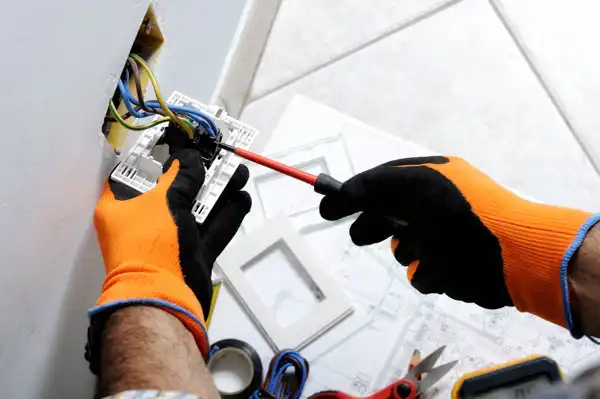
This is where experience earns its coffee. A novice sees the task. A seasoned contractor sees the task plus the conditions that will affect whether the task stays fixed. That distinction is the difference between “we replaced the part” and “we solved the problem.”
What a sensible service visit feels like
A good septic or drainage service visit has a certain rhythm. It starts with listening, not unloading equipment from the truck like a magician choosing props. The technician asks where the problem shows up, when it started, whether anything changed, and what has been tried already. Then comes observation. Fixtures, cleanouts, mechanical spaces, sump pump areas, and accessible piping tell stories if someone bothers to read them.
The work itself depends on the findings. Drain cleaning may restore flow. Rooter service may be appropriate for a specific obstruction. Hydrojetting may make sense when the line condition and access support it. Plumbing leak repair may be needed if water is escaping where it should not. If the issue connects to equipment, the service may involve a Plumber, an Air conditioning contractor, an Electrician, or a Heating contractor. Sometimes one company has qualified staff across these categories. Sometimes coordination is the cleanest answer.
The customer should receive plain language afterward. Not a fog of trade jargon. Not a doom prophecy. Just a useful account: what was found, what was done, what remains uncertain, what should be watched, and what options make sense. If further work is recommended, the reason should be clear. “Because your pipe hates you” is funny, but it is not a scope of work.
The false economy of treating every stoppage as cheap and quick
There is a certain kind of homeowner math that goes like this: the least expensive visit is always the best value. Sometimes it is. If a simple local clog needs basic drain cleaning, there is no moral victory in overcomplicating it. But repeat drainage problems deserve more than the cheapest reset button.
The false economy shows up when the same line is cleared again and again without anyone asking why. It shows up when poor access turns every service call into a wrestling match. It shows up when a pump receives no attention until it fails during the exact hour it is needed most. It shows up when plumbing repiping is delayed so long that leak repair becomes a recurring household subscription.
Trade-offs matter. A thorough diagnostic visit costs more than a quick clearing. Hydrojetting may cost more than basic snaking, and it is not suitable for every situation. Replacing a failing section of piping costs more than clearing it, but may reduce repeat calls. Installing better access can feel boring right up until it saves hours during an emergency. The right answer depends on the property, condition, budget, and risk tolerance. Sensible contractors explain those trade-offs instead of pretending every customer needs the most expensive option. Sensible customers, in return, understand that “make it go away for now” and “fix the underlying issue” are not always the same purchase.
Drainage around comfort equipment
Heating and cooling systems create comfort, but they also interact with moisture and drainage in ways customers may not expect. Air conditioners and heat pumps are appliances in the refrigeration family, and technicians who maintain, service, repair, or install them work within rules that recognize the technical nature of that equipment. Proper installation includes correct equipment sizing and refrigerant charging, which can reduce energy consumption and lower failure risk. That is the polished side of the work. The less glamorous side is making sure water formed or collected during operation goes where it belongs.
An air conditioning tune-up that ignores condensate management is like washing a car and forgetting the windshield. The system may run, but the building may still suffer. Drainage pans, lines, pumps, and termination points need attention where applicable. In tight utility rooms, small problems hide behind equipment until they stain flooring, corrode components, or encourage the Plumber kind of smell that makes people blame the dog unfairly.
Heating equipment can have its own drainage concerns depending on the system type and installation. Furnace repair service often focuses on ignition, airflow, controls, and safety, as it should. But a careful Heating contractor also looks at the surrounding installation. Mechanical systems live in real rooms, not diagrams. Real rooms have floor drains, utility sinks, nearby water heaters, pumps, electrical outlets, and sometimes storage boxes placed precisely where access should be. If there is a universal law of mechanical rooms, it is that someone will store paint cans in front of the thing a technician needs most.
Water treatment, water heaters, and the drain nobody remembers
Water softener installation and water heater installation both bring drainage into the conversation. A water heater may need safe, appropriate discharge routing. A softener requires proper installation practices, including attention to where water goes during operation. Even without getting buried in technical detail, the principle is simple: equipment that handles water must be installed with respect for drainage.
Water heater repair often reveals the condition of the space around the tank. A small leak may be caught early. A neglected leak may affect flooring, nearby walls, or adjacent equipment. If a floor drain is present but blocked, the customer may discover it only after water has already made a bid for independence. Testing and observing drainage pathways during related plumbing work is not fussiness. It is the kind of boring competence that keeps homes from becoming indoor ponds.
Plumbing leak repair and drainage care also overlap. Supply leaks and drain leaks behave differently, but both require careful tracing. Water does not always appear directly below the source. It travels along framing, follows pipe runs, slips behind finishes, and emerges in the least convenient location. A technician who has chased leaks for years develops suspicion as a professional skill. That suspicion is useful.
Choosing the right contractor without needing a trade dictionary
Customers do not need to memorize every classification or technical standard to hire well. They do need to choose a contractor who understands the relationship between plumbing, heating, air conditioning, and associated electrical work. HVAC contractors specialize in installing and maintaining heating, ventilation, and air conditioning equipment. Plumbing and heating contractors commonly handle related repair, installation, sewer hookups, sump pump service, and water pump installation. Electrical work has its own classification and safety requirements. The best companies respect those boundaries while coordinating the work that overlaps.
A few questions reveal a lot:
- Do you handle both the immediate stoppage and diagnosis of recurring drainage problems?
- When would you recommend drain cleaning, rooter service, or hydrojetting, and when would you avoid each one?
- Can your team coordinate plumbing, HVAC, and electrical needs when systems overlap?
- What access will you need, and what should I clear before the appointment?
- After the visit, will I get a clear explanation of findings and options?
Those are not trick questions. A solid contractor will answer them plainly. If the answers feel like smoke, mirrors, and a coupon that expires in 11 minutes, keep looking.
The homeowner’s role, starring common sense
Homeowners cannot control everything. Pipes age. Pumps fail. Equipment needs service. Underground systems remain stubbornly underground. But owners can make service easier and problems smaller by paying attention early, keeping mechanical areas accessible, and resisting the urge to solve every drain issue with a bottle from the grocery store aisle of false hope.
The best customer notes are simple. “The basement drain backed up after two loads of laundry.” “The upstairs tub is slow, but the downstairs fixtures are fine.” “The air conditioning repair technician mentioned the condensate line last summer.” “We had rooter service twice this year.” These details help a technician narrow the possibilities faster than vague declarations like “the plumbing is broken,” although, to be fair, that one does capture the mood.
Care also means recognizing when a system deserves planned attention. If your property has a history of drainage issues, build maintenance into the year instead of waiting for a dramatic reenactment. If you are scheduling air conditioning maintenance, ask about condensate drainage. If you are replacing a water heater, talk about the floor drain and discharge paths. If you are planning plumbing repiping, discuss how the drainage system will be affected by the changes. Good questions cost nothing and occasionally save a floor.
A practical way to think about the whole system
Septic system service and drainage system care are not isolated chores. They sit inside the larger mechanical life of a building. Plumbing carries water in and waste out. HVAC systems heat, cool, ventilate, and often create or manage moisture. Electrical systems power pumps, controls, and equipment. Gas installation service supports certain heating and water heating needs where applicable. Lighting contractors, electricians, plumbers, and HVAC technicians may all touch spaces where water management matters.
That is why the best service culture is not built around panic. It is built around observation, maintenance, and honest repair. Air conditioning repair, furnace repair, water heater repair, drain cleaning, hydrojetting, plumbing leak repair, and septic system service all share the same basic goal: keep the building safe, functional, and boring in the best possible way.
Boring is underrated. Boring means the toilet flushes and everyone moves on with their day. Boring means the air conditioner cools without dripping through a ceiling. Boring means the sump pump has power when it needs it. Boring means the water heater sits quietly instead of auditioning for a disaster movie. Boring means your drainage system does not become the main character.
And if your home does start making gurgling noises, draining slowly, smelling strange, or producing water where water has no invitation, do not wait for the plot to thicken. Call a qualified service professional, explain what you have noticed, and let the diagnosis lead the repair. Septic and drainage care may never be glamorous, but when it is done well, it gives a property one of the finest gifts available: nothing much happening.
Name: Service Lion Plumbing Heating Air Electric
Address: 521 W Briardale Ave, Orange, CA 92865, United States
Phone: (657) 567-7305
Website: https://callservicelion.com/
Email: [email protected]
Hours:
Monday: Open 24 hours
Tuesday: Open 24 hours
Wednesday: Open 24 hours
Thursday: Open 24 hours
Friday: Open 24 hours
Saturday: Open 24 hours
Sunday: Open 24 hours
Open-location code: R48R+WV Orange, California, USA
Map/listing URL:
https://www.google.com/maps/search/?api=1&query=Google&query_place_id=ChIJQU4LBWHV3IARtnABtyykSA4
Google Map:
Socials:
https://www.facebook.com/ServiceLionCA/
https://www.youtube.com/channel/UCR_L35QzsRTxYZtX8PxJvPw
Local Service Information
Service Lion Plumbing Heating Air Electric provides plumbing, drain, heating, air conditioning, and electrical services from its Orange, California location.The company serves homeowners and properties throughout Orange and communities across Orange County and surrounding areas.
Available services include plumbing repairs, water heater work, drain and sewer services, heating and cooling service, electrical repairs, panels, lighting, outlets, and related home-system work.
Service is available for residential properties as well as light commercial needs described within the company's local service-area information.
The company's website emphasizes locally operated service, coordinated home-system support, and practical scheduling for plumbing, HVAC, and electrical needs.
The matching public business listing shows the Orange location as open 24 hours a day, seven days a week.
For service information or scheduling, call (657) 567-7305 or visit https://callservicelion.com/.
The public map listing identifies the business at 521 W Briardale Ave, Orange, CA 92865 and can be used for location and direction information.
Popular Questions About Service Lion Plumbing Heating Air Electric
What services does Service Lion Plumbing Heating Air Electric provide?
The company provides plumbing, drain and sewer, heating, air conditioning, and electrical services. Its published services include plumbing repair, water heaters, drain clearing, sewer work, HVAC repair and installation, electrical repairs, panels, circuit breakers, lighting, outlets, and related services.
Where is Service Lion Plumbing Heating Air Electric located?
The matching business location is 521 W Briardale Ave, Orange, CA 92865, United States.
What areas does Service Lion Plumbing Heating Air Electric serve?
The company serves Orange County and surrounding communities. Its published service-area information includes Orange, Anaheim, Brea, Yorba Linda, Fullerton, Huntington Beach, Newport Beach, Costa Mesa, Irvine, Lake Forest, and additional nearby cities.
Is Service Lion Plumbing Heating Air Electric open 24 hours?
The matching public business listing shows the location as open 24 hours on Monday through Sunday.
Does Service Lion Plumbing Heating Air Electric work on drains and sewer lines?
Yes. Published services include drain clearing, rooter service, camera inspection, hydro jetting, sewer line repair and installation, water line work, slab leak detection, and trenchless sewer line repair.
Does Service Lion Plumbing Heating Air Electric provide heating and air conditioning service?
Yes. Its published HVAC services include air conditioning repair and installation, heating service, furnace work, heat pumps, air ducts, indoor air quality assessments, and thermostat installation.
Does Service Lion Plumbing Heating Air Electric provide electrical service?
Yes. Published electrical services include repairs and installations, electrical panels, circuit breakers, safety inspections, lighting, outlets and switches, surge protection, generators, and EV charging equipment installation.
How can I contact Service Lion Plumbing Heating Air Electric?
Call (657) 567-7305.
Email: [email protected]
Website: https://callservicelion.com/
Facebook: https://www.facebook.com/ServiceLionCA/
Landmarks Near Orange, California
Old Towne Orange Historic District
A central historic district and useful geographic reference point for the Orange community.
Plaza Park
A well-known public gathering point in the center of Old Towne Orange.
Orange Public Library & History Center
A civic landmark serving residents near central Orange.
Hart Park
A major public park and recreation area south of central Orange.
Eisenhower Park
A public park serving neighborhoods in northern Orange.
Santiago Oaks Regional Park
A regional recreation and open-space landmark on the eastern side of Orange.
Irvine Regional Park
A large regional park and recognizable reference point east of the city.
Orange Park Acres
A distinctive residential community and service-area reference point in eastern Orange.
El Modena
An established Orange neighborhood that provides a practical local coverage reference.
Glassell Street
One of the city's principal north-south streets and a useful route through central Orange.
Lincoln Avenue
A major east-west roadway serving northern Orange and nearby communities.
State Route 55
A primary regional freeway connecting Orange with other parts of Orange County.