Water Heater Installation and Plumbing System Planning
A water heater is one of those appliances nobody praises when it behaves. It sits there, usually in a basement, garage, closet, or utility room, quietly doing its job while everyone in the house enjoys hot showers and clean dishes without sending it a thank-you note. Then it fails, and suddenly the entire household develops strong opinions about plumbing infrastructure before breakfast.
Water heater installation is not just swapping one tank for another and calling it a day. It sits at the crossroads of plumbing, heating, electrical work, gas service, ventilation, drainage, and sometimes even broader HVAC planning. That is why a good Plumber does more than haul in a new unit. A good contractor looks at the surrounding system, checks whether the home’s plumbing layout still makes sense, and considers how the water heater will behave alongside air conditioning, heating, drainage, and future maintenance needs.
The funny thing about plumbing system planning is that the best work often looks boring afterward. Pipes are supported. Shutoff valves are reachable. Drain lines make sense. Equipment has service clearance. The water heater is sized appropriately. Nothing rattles like a coffee can full of bolts. Nobody writes poetry about that, but they should.
The water heater is not an island
A water heater connects to a larger mechanical ecosystem. It needs a cold-water supply, a hot-water distribution line, a safe way to manage pressure, and a route for draining or servicing the unit. Depending on the type of equipment, it may also need gas piping, electrical power, combustion air, venting, or coordination with heating and cooling equipment.
That overlap is one reason plumbing and HVAC services often live close together in the trades. Plumbing, heating, and air-conditioning work are commonly grouped as special trade contractor work, while electrical work has its own classification. In real buildings, though, the borders are not painted on the floor. A Heat pump installation may involve HVAC expertise and electrical connections. A gas-fired water heater may involve plumbing and Gas installation service. A mechanical room may contain a furnace, water heater, air handler, drain lines, and enough valves to make a newcomer squint.
A professional Heating contractor or Air conditioning contractor is used to thinking in systems. That matters because a water heater installation can affect, and be affected by, the equipment around it. If the installation blocks access to a furnace filter, makes a condensate line harder to service, or crowds an air-conditioning component, the mistake may not show up on day one. It will show up later, usually when someone is kneeling on concrete with a flashlight and muttering words unsuitable for a family newsletter.
Planning before installation saves money, drywall, and dignity
Good planning starts with a plain question: what does the home actually need? Not what fits through the door most easily, not what was on sale, not what the previous owner installed in 1998 and defended emotionally. The right answer depends on household demand, available utilities, space, existing plumbing condition, and service access.
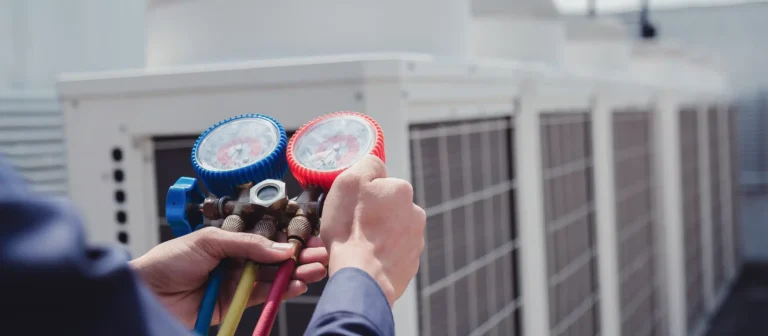
Sizing matters. With HVAC systems, proper installation includes correct equipment sizing and proper refrigerant charging for air conditioners and heat pumps. The same general discipline applies to water heating, even though the technical details differ. Oversizing can waste space and money. Undersizing can turn a perfectly normal morning routine into a cold-water negotiation between family members.
A contractor also needs to look at the pipes, not just the heater. Old, corroded, poorly supported, or oddly routed piping can make a new installation less reliable. Sometimes Water heater installation exposes problems that were already waiting patiently behind the scenes. A brittle shutoff valve snaps. A fitting weeps. A drain line is not where it should be. The old unit was not so much installed as “persuaded into position.” At that point, Plumbing leak repair or selective piping correction becomes part of doing the job properly.
This is where experience earns its keep. The cheapest installation on paper can become expensive if it ignores the system around it. A well-planned job may include replacing tired valves, improving access, correcting awkward pipe routing, or discussing Plumbing repiping if the broader system is near the end of its useful life. Nobody enjoys hearing that extra work may be needed, but nobody enjoys paying twice because the first job pretended gravity, pressure, and corrosion were only rumors.
The utility room: small room, big opinions
The average utility room has the social dynamics of a crowded elevator. The water heater wants space. The furnace wants space. The air conditioner or heat pump components want service access. The electrician wants clear working room. The drain wants slope. The homeowner wants storage. The holiday decorations want to colonize every available square foot.
A careful contractor looks at the room before choosing the final layout. Water heaters need room for installation and future service. If the equipment is tucked behind shelves, under low framing, or beside other mechanical equipment with no clearance, the next repair becomes an athletic event. Water heater repair should not require the flexibility of a circus performer.
The same logic applies to adjacent HVAC equipment. An Air conditioning repair service may need access to electrical components, refrigerant lines, condensate drainage, or indoor equipment. Air conditioning maintenance and an Air conditioning tune-up should be routine, not a demolition project. If a newly installed water heater blocks access to the air handler, furnace, or condensate drain, the installation has created tomorrow’s service call.
A Furnace repair service faces similar issues. Heating equipment requires space for inspection and service. If gas piping, water piping, venting, and drain lines cross each other like spaghetti at a family reunion, the room becomes difficult to maintain safely and efficiently. A neat layout is not just vanity. It is future labor savings wearing a tidy shirt.
Gas, electric, and the need for the right trade at the right moment
Water heaters may involve gas or electricity, and sometimes both in supporting systems. That means planning must respect trade boundaries. Electrical work is separately classified from plumbing, heating, and air-conditioning work for good reason. When a water heater installation involves electrical circuits, controls, disconnects, or related power requirements, an Electrician may need to be part of the job. When lighting, service visibility, or utility-room upgrades are involved, a Lighting contractor may also be relevant.
Gas equipment brings its own responsibilities. Gas installation service is not a casual add-on, like choosing a nicer faucet handle. Gas lines, shutoffs, combustion considerations, and venting all matter. A contractor who treats gas work lightly should not be allowed near anything more dangerous than a garden hose.
Electric water heaters remove combustion from the picture, but they do not remove planning. Electrical capacity, safe connections, service access, and code-aware installation still matter. Heat pump water heating, where applicable, adds another layer because it overlaps more clearly with heating and cooling principles. That is where a Heating contractor, Air conditioning contractor, or qualified mechanical contractor may bring useful perspective, especially in homes already considering Heat pump installation for space conditioning.
The point is not that every job needs a parade of tradespeople. The point is that a contractor should know when a job has crossed into someone else’s lane. The best professionals do not fake expertise. They coordinate it.
Drainage, pressure, and the glamorous world of water going where it should
Every plumbing system has two basic ambitions: deliver clean water where wanted and remove used water where unwanted. Water heater planning touches both.
A water heater needs a way to be drained for service or replacement. If the nearest drain is poorly placed, blocked, or unreliable, future maintenance becomes harder. Drain cleaning may not sound connected to water heater installation, but drainage conditions in a mechanical area can matter during service. If a floor drain or nearby line is sluggish, draining a tank can become a slow, messy test of patience.
Rooter service and Hydrojetting belong to the drain and sewer side of the plumbing world. They are not routine water heater installation tasks, but they can be relevant when the broader plumbing system has drainage problems. A house with frequent backups, slow utility-room drains, or recurring clogs needs attention beyond the shiny new appliance. Installing a water heater while ignoring known drainage trouble is like buying new tires for a car with no brakes. Lovely tires. Still a bad plan.
For properties with private wastewater systems, Septic system service may also enter the planning conversation. The water heater does not operate the septic system, of course, but water use patterns affect plumbing and wastewater flow. A contractor looking at the whole property will not pretend the house ends at the basement wall.
Pressure management also matters. Water expands when heated, and plumbing systems need to manage pressure safely. The specific solution depends on the system design and local requirements, but the principle is universal: pressure deserves respect. It is invisible, persistent, and completely uninterested in your weekend plans.
When replacement turns into repiping
A water heater replacement sometimes reveals that the appliance was not the real problem. Maybe the hot water is rusty because old piping is deteriorating. Maybe leaks keep appearing near fittings. Maybe pressure and flow are poor at distant fixtures. Maybe previous repairs created a patchwork of materials and routing that technically works but looks like it was designed during a power outage.
That is when Plumbing repiping becomes part of the conversation. Not always. A responsible Plumber does not recommend repiping because one valve looks tired. But when the distribution piping is failing or the layout creates repeated problems, replacing the heater alone may be a temporary bandage on a larger bruise.
Repiping decisions should be made with care. It can be disruptive, and it costs more than a basic appliance swap. Still, doing it during a planned water heater project may reduce repeated shutdowns and repeated labor. The judgment call depends on the age and condition of the piping, the number of active or past leaks, access to walls and ceilings, and whether the homeowner is planning other renovations.
There is also a practical comfort issue. A new water heater cannot overcome every distribution problem. If pipe routing creates long waits for hot water at distant fixtures, the homeowner may blame the heater even when the system layout is the culprit. Planning helps separate appliance performance from piping performance, which saves everyone from arguing with an innocent metal cylinder.
Water quality: the quiet troublemaker
Water quality affects plumbing equipment. Hard water can contribute to scale buildup, and scale is not known for its generosity. It can reduce performance, contribute to maintenance needs, and shorten the happy part of an appliance’s life.
That is why Water softener installation may come up during water heater planning. It is not automatically required, and it should not be sold like a magic potion. But in homes where water hardness creates visible symptoms, planning for treatment can protect plumbing fixtures and water-using equipment. The right approach depends on water conditions, household preferences, maintenance expectations, and available space.
A water softener also needs its own planning. It requires piping connections, a place to discharge regeneration water, service access, and room for salt storage if it uses salt. Install it in the wrong place and it becomes another obstacle in the utility-room obstacle course. Install it thoughtfully and it quietly does its job, which is the highest ambition of most mechanical equipment.
A short planning checklist before the truck arrives
Some items deserve to be checked before installation day, because discovering them after the old heater is disconnected tends to raise everyone’s blood pressure.
- Confirm the available energy source and whether gas, electric, or related mechanical work is involved.
- Check access paths, including stairs, doors, closets, and tight turns.
- Review nearby drains, shutoff valves, and visible piping condition.
- Make sure HVAC equipment, furnace access, and service clearances will not be blocked.
- Discuss whether leaks, poor flow, hard water, or drain issues should be addressed at the same time.
That small bit of preparation can turn installation day from a dramatic production into a normal workday. Normal workdays are underrated.
Coordinating plumbing with heating and cooling plans
Many homeowners handle mechanical systems one crisis at a time. The water heater fails in March. The air conditioner quits in July. The furnace makes a noise in November that sounds expensive. Each event gets treated separately, usually while someone is already uncomfortable.
A better approach is to look ahead when one major system is being replaced. If the water heater shares space with heating or cooling equipment, future HVAC work should influence today’s layout. Air conditioning repair, Air conditioning maintenance, and seasonal service all require access. A future Air conditioning tune-up should not be complicated by piping that could have been routed six inches differently.
The same applies if a homeowner is considering Heat pump installation or replacing older heating equipment. Proper HVAC installation depends on equipment sizing and correct setup, including details such as refrigerant charging for air conditioners and commercial electrician heat pumps. Those systems may have indoor components, condensate management, electrical needs, and service zones. A water heater installer who ignores that future work may save ten minutes today and cost several hours later.
Contractors who handle plumbing, heating, ventilation, and air-conditioning often bring a useful whole-room perspective. HVAC contractors specialize in installing and maintaining heating, ventilation, and air-conditioning equipment, and their service work may include installation, maintenance, repairs, duct-related work, and plumbing or electrical work associated with heating and cooling systems. In practice, that means the best mechanical planning often happens when trades communicate rather than leaving each other little surprises behind access panels.
The repair-or-replace conversation
Water heater repair can make sense when the issue is limited, the equipment is not near the end of its reasonable service life, and parts are available. Replacement makes more sense when repairs become frequent, performance is poor, or the surrounding installation has problems that should be corrected anyway.
The difficult part is that homeowners usually ask this question under duress. There is cold water, a puddle, or both. Nobody is at their most philosophical while mopping near a utility sink. A good contractor slows the conversation down enough to separate urgent action from smart planning.
If the heater has a minor serviceable issue, repair may buy useful time. If the tank itself has failed, replacement is generally the practical route. If the installation is unsafe, inaccessible, or tied into failing piping, replacement planning should include corrections. The cheapest answer is not always the least expensive answer once return visits, water damage risk, and inconvenience are included.
What a professional looks for on site
A skilled Plumber or mechanical contractor reads a utility room the way a mechanic listens to an engine. The obvious item is the water heater, but the surrounding clues matter just as much. Are there stains below fittings? Is the shutoff valve usable? Are pipes properly supported? Is there corrosion? Does the drain work? Is the unit crowded by storage? Are other appliances sharing the same small area?
The inspection also includes trade coordination. If gas work is needed, gas service details matter. If electrical work is needed, the Electrician’s role matters. If equipment sits near heating or cooling systems, the Heating contractor or Air conditioning contractor perspective may matter. If there are drainage problems, Drain cleaning, Rooter service, or Hydrojetting may need to be discussed. If the home has recurring plumbing leaks, Plumbing leak repair alone may not be enough without a broader look at pipe condition.
This is not overcomplication. It is the opposite. It prevents the kind of simple job that becomes complex because nobody looked two feet to the left.
Red flags worth taking seriously
Homeowners do not need to become licensed tradespeople to recognize trouble. A few signs deserve prompt attention, especially around water heating and nearby plumbing.
- Water near the base of the heater or recurring dampness in the mechanical area.
- Rusty or discolored hot water that does not match the cold water.
- Unusual noises from the tank, piping, or nearby mechanical equipment.
- Slow drains, backups, or floor drains that cannot handle normal discharge.
- Poor access to shutoff valves, equipment panels, or service areas.
These symptoms do not all mean the water heater has failed. They mean the system deserves a professional look before a nuisance becomes a renovation.
Why neat workmanship is more than cosmetic
There is a certain kind of installation that tells you the installer cared. Pipes run cleanly. Valves face a human hand instead of a wall. Connections are accessible. The equipment sits level. The surrounding area still allows future service. Nothing feels improvised.
Neatness matters because mechanical systems need maintenance. Air conditioners and heat pumps need proper service. Furnaces need inspection and repair access. Water heaters need draining, testing, repair, and eventual replacement. Drain lines need cleaning when life, grease, roots, or mysterious household decisions interfere. A tidy installation respects the next technician, who may be the same person years later, older, wiser, and less amused by bad pipe routing.
There is also safety and reliability in order. Sloppy work often hides poor planning. Not always, but often enough that experienced tradespeople notice. The best installations look deliberate because they are deliberate.
The homeowner’s role: ask better questions
Homeowners do not need to micromanage the work. In fact, please do not stand three feet away and narrate every wrench turn. But good questions help.
Ask whether the new water heater changes service access. Ask whether existing valves and visible piping are in good condition. Ask whether any gas, electrical, venting, or drainage details need correction. Ask whether the installation will interfere with furnace repair, air conditioning repair, or routine HVAC maintenance. Ask whether the home’s water quality suggests Water softener installation should be considered.
A trustworthy contractor will answer plainly. If the answer is “that is outside my license” or “we should bring in an Electrician,” that is not a weakness. That is professionalism wearing work boots.
Planning for future service, not just today’s invoice
A water heater installation should solve today’s hot water problem without creating tomorrow’s maintenance headache. That means thinking beyond the tank. It means looking at plumbing layout, drain function, water quality, energy source, nearby HVAC equipment, and trade coordination.
The best installations are calm. They do not rely on heroic repair positions, inaccessible shutoffs, or optimistic assumptions. They leave room for Air conditioning maintenance, Furnace repair service, Water heater repair, Drain cleaning, and whatever mechanical reality decides to request next. Houses are patient, but they are not silent forever.
A well-planned plumbing system does not show off. It delivers hot water, protects the surrounding space, allows proper service, and works alongside heating, cooling, gas, electrical, and drainage systems without drama. That may not sound glamorous, but neither does a hot shower until you have gone without one. Then it becomes civilization itself, arriving through pipes.
Name: Service Lion Plumbing Heating Air Electric
Address: 521 W Briardale Ave, Orange, CA 92865, United States
Phone: (657) 567-7305
Website: https://callservicelion.com/
Email: [email protected]
Hours:
Monday: Open 24 hours
Tuesday: Open 24 hours
Wednesday: Open 24 hours
Thursday: Open 24 hours
Friday: Open 24 hours
Saturday: Open 24 hours
Sunday: Open 24 hours
Open-location code: R48R+WV Orange, California, USA
Map/listing URL:
https://www.google.com/maps/search/?api=1&query=Google&query_place_id=ChIJQU4LBWHV3IARtnABtyykSA4
Google Map:
Socials:
https://www.facebook.com/ServiceLionCA/
https://www.youtube.com/channel/UCR_L35QzsRTxYZtX8PxJvPw
Local Service Information
Service Lion Plumbing Heating Air Electric provides plumbing, drain, heating, air conditioning, and electrical services from its Orange, California location.The company serves homeowners and properties throughout Orange and communities across Orange County and surrounding areas.
Available services include plumbing repairs, water heater work, drain and sewer services, heating and cooling service, electrical repairs, panels, lighting, outlets, and related home-system work.
Service is available for residential properties as well as light commercial needs described within the company's local service-area information.
The company's website emphasizes locally operated service, coordinated home-system support, and practical scheduling for plumbing, HVAC, and electrical needs.
The matching public business listing shows the Orange location as open 24 hours a day, seven days a week.
For service information or scheduling, call (657) 567-7305 or visit https://callservicelion.com/.
The public map listing identifies the business at 521 W Briardale Ave, Orange, CA 92865 and can be used for location and direction information.
Popular Questions About Service Lion Plumbing Heating Air Electric
What services does Service Lion Plumbing Heating Air Electric provide?
The company provides plumbing, drain and sewer, heating, air conditioning, and electrical services. Its published services include plumbing repair, water heaters, drain clearing, sewer work, HVAC repair and installation, electrical repairs, panels, circuit breakers, lighting, outlets, and related services.
Where is Service Lion Plumbing Heating Air Electric located?
The matching business location is 521 W Briardale Ave, Orange, CA 92865, United States.
What areas does Service Lion Plumbing Heating Air Electric serve?
The company serves Orange County and surrounding communities. Its published service-area information includes Orange, Anaheim, Brea, Yorba Linda, Fullerton, Huntington Beach, Newport Beach, Costa Mesa, Irvine, Lake Forest, and additional nearby cities.
Is Service Lion Plumbing Heating Air Electric open 24 hours?
The matching public business listing shows the location as open 24 hours on Monday through Sunday.
Does Service Lion Plumbing Heating Air Electric work on drains and sewer lines?
Yes. Published services include drain clearing, rooter service, camera inspection, hydro jetting, sewer line repair and installation, water line work, slab leak detection, and trenchless sewer line repair.
Does Service Lion Plumbing Heating Air Electric provide heating and air conditioning service?
Yes. Its published HVAC services include air conditioning repair and installation, heating service, furnace work, heat pumps, air ducts, indoor air quality assessments, and thermostat installation.
Does Service Lion Plumbing Heating Air Electric provide electrical service?
Yes. Published electrical services include repairs and installations, electrical panels, circuit breakers, safety inspections, lighting, outlets and switches, surge protection, generators, and EV charging equipment installation.
How can I contact Service Lion Plumbing Heating Air Electric?
Call (657) 567-7305.
Email: [email protected]
Website: https://callservicelion.com/
Facebook: https://www.facebook.com/ServiceLionCA/
Landmarks Near Orange, California
Old Towne Orange Historic District
A central historic district and useful geographic reference point for the Orange community.
Plaza Park
A well-known public gathering point in the center of Old Towne Orange.
Orange Public Library & History Center
A civic landmark serving residents near central Orange.
Hart Park
A major public park and recreation area south of central Orange.
Eisenhower Park
A public park serving neighborhoods in northern Orange.
Santiago Oaks Regional Park
A regional recreation and open-space landmark on the eastern side of Orange.
Irvine Regional Park
A large regional park and recognizable reference point east of the city.
Orange Park Acres
A distinctive residential community and service-area reference point in eastern Orange.
El Modena
An established Orange neighborhood that provides a practical local coverage reference.
Glassell Street
One of the city's principal north-south streets and a useful route through central Orange.
Lincoln Avenue
A major east-west roadway serving northern Orange and nearby communities.
State Route 55
A primary regional freeway connecting Orange with other parts of Orange County.