When to Call a Lighting Contractor for Indoor and Outdoor Upgrades
Lighting is one of those home improvements that looks deceptively simple until you are standing on a ladder at 8:47 p.m., holding a fixture in one hand, three mystery wires in the other, and realizing the previous homeowner treated electrical code like a loose suggestion. At that point, the charming weekend project has become a small courtroom drama, and the defendant is your optimism.
A good lighting contractor does far more than swap one fixture for another. They think about load, placement, control, safety, code, moisture, voltage drop, dimming behavior, glare, color temperature, and whether your “simple” backyard lighting plan will accidentally make the patio look like a municipal parking lot. Indoor and outdoor lighting upgrades can change how a home feels, functions, and performs, but the moment wiring, circuits, structural access, or permanent exterior fixtures enter the picture, it is worth knowing when to bring in a professional.
Not every bulb change needs a truck roll. But plenty of lighting work sits right at the intersection of design and electrical safety, which is a fancy way of saying your house should look good without trying to electrocute anyone.
The difference between changing a light and changing a lighting system
Replacing a table lamp shade is decorating. Replacing a ceiling fixture might be a manageable DIY job if the box is properly rated, the wiring is modern, and you know exactly what you are looking at. Recessed lighting, undercabinet lighting, landscape lighting, security lighting, chandeliers, smart switches, exterior sconces, and new circuit runs belong in a different category.
A lighting contractor understands the whole system. That includes how fixtures draw power, how controls communicate, how switches are wired, how dimmers interact with LED drivers, and how outdoor installations survive rain, heat, insects, irrigation overspray, and the occasional ambitious raccoon. In many cases, a licensed Electrician may perform or supervise the work, depending on local rules and the scope of the job. The terms sometimes overlap in conversation, but the practical point is simple: permanent lighting upgrades should be handled by someone qualified to work safely with electrical systems.
The biggest trouble I see with DIY lighting is not usually the visible fixture. It is the hidden condition behind it. Old cloth wiring. Overfilled boxes. Loose neutral connections. Ceiling boxes that were built for a six-pound dome light now asked to hold a ninety-pound chandelier. Exterior fixtures mounted without proper weatherproofing. Junctions buried behind drywall like little electrical time capsules. These are not dramatic problems until they are, which is also the motto of every insurance adjuster who has ever frowned at a ceiling.
Call a lighting contractor when you are adding fixtures, not just replacing them
There is a world of difference between replacing one dining room pendant and adding six recessed lights, two wall sconces, a dimmer bank, and a dramatic art light over the fireplace because someone watched one excellent design video after midnight.
Any time you add fixtures where no fixture existed before, you are asking for wiring work. That may mean opening walls or ceilings, fishing cable, extending circuits, installing junction boxes, calculating load, and making sure the work meets local electrical code. A lighting contractor can plan the layout so the light lands where it should, not six inches off because a joist was in the way and nobody thought to check before cutting.
Recessed lighting is a perfect example. Homeowners often picture a clean grid of lights, but houses are full of obstacles. Joists, ducts, plumbing pipes, insulation, old knob-and-tube wiring in very old homes, and HVAC runs all enjoy living exactly where you wanted a downlight. A contractor can locate obstacles, choose the right fixture type, and use correct clearances around insulation. In many modern installations, low-profile LED wafer lights solve some clearance headaches, but they still need proper wiring and approved junction boxes.
The same goes for kitchen lighting. Good kitchens rarely rely on one overhead fixture unless the goal is to chop onions in your own shadow. A layered plan might include recessed ambient lighting, pendants over the island, undercabinet task lighting, and maybe toe-kick lighting if your home has reached its “boutique hotel” era. The wiring and controls matter as much as the fixtures. Put everything on one switch and you get a kitchen that is either operating-room bright or cave dim, with no civilized middle ground.
When your lights flicker, buzz, blink, or develop a personality
A little flicker from a cheap LED bulb can be annoying. A recurring flicker across multiple fixtures can point to a bigger issue. If lights dim when the air conditioner starts, flutter when the microwave runs, or buzz loudly on a dimmer, it is time to have someone look at the electrical side rather than blaming the lamp like it has poor character.
LED lighting changed the game, mostly for the better. Lower energy use, longer life, less heat, more flexibility. But LED fixtures and bulbs are picky about dimmers and drivers. An old dimmer built for incandescent bulbs may cause LED lamps to flicker or fail early. Some fixtures need ELV dimmers, some need MLV dimmers, some work with standard LED-compatible controls, and some seem to require a blood oath and the exact phase of the moon. A lighting contractor can match controls to fixtures before your wall switch becomes a tiny nightclub.
Flickering can also indicate loose connections, overloaded circuits, failing switches, damaged wiring, or service panel issues. If the symptom appears after another trade has worked in the home, such as during Air conditioning repair, Plumbing repiping, or Water heater installation, it may be coincidence, or something may have been disturbed. Houses are crowded behind the walls. A plumber repairing a leak, a Heating contractor replacing equipment, or an Air conditioning contractor installing a line set may uncover or affect wiring routes. Good contractors coordinate, but older homes love surprises.
One rule is not negotiable: if you smell burning, see scorch marks, feel heat at a switch, or hear arcing sounds, stop using that circuit and call a qualified professional. That is not the time to tighten one screw and hope for personal growth.
Outdoor lighting has weather, soil, voltage, and pests to contend with
Indoor lighting lives a pampered life compared with outdoor lighting. Outside, fixtures deal with rain, UV exposure, wind, freeze-thaw cycles, insects, mulch, sprinkler systems, lawn crews, pets, and children who discover path lights make excellent pretend microphones. A lighting contractor chooses equipment meant for those conditions and installs it so it lasts longer than one enthusiastic season.
Outdoor lighting falls into several categories. There is architectural lighting for the house itself, landscape lighting for paths and gardens, security lighting for visibility, deck and patio lighting for entertaining, and specialty lighting around pools or water features where safety requirements are strict. The fixture ratings matter. Damp-rated is not the same as wet-rated. A covered porch ceiling can often use damp-rated fixtures, while a wall sconce exposed to rain needs wet-rated equipment. Underground connections need proper waterproof methods, not a twist connector wrapped in hope and electrical tape.
Low-voltage landscape lighting is often marketed as DIY-friendly, and some systems are. Still, larger projects need design sense and electrical know-how. Long cable runs can create voltage drop, which makes lights at the far end dimmer. Transformers must be sized correctly. Cables need proper burial depth based on local requirements and product type. Fixtures should be placed to avoid glare and mower damage. The best landscape lighting hides the source and reveals the effect. The worst looks like the runway at a regional airport.
Security lighting is another area where professional judgment helps. More light is not always better. A blinding floodlight pointed at the neighbor’s bedroom window may technically illuminate your driveway, but it will also illuminate your reputation at the next block party. A contractor can position fixtures for useful coverage, choose motion sensors that do not trigger every time a leaf files a flight plan, and aim lights to reduce glare.
The “call someone” signs homeowners should not ignore
There are a few situations where calling a lighting contractor, or a licensed Electrician who handles lighting, is simply the grown-up move. You can still be rugged and independent. You will just be rugged and independent with intact wiring.
- You need new wiring, new switch locations, or a new circuit.
- The fixture is heavy, oversized, high up, or mounted on a sloped ceiling.
- The existing electrical box is loose, damaged, too small, or not rated for the fixture.
- You are installing exterior fixtures exposed to weather, soil, or water.
- Lights flicker, trip breakers, buzz, spark, smell hot, or behave inconsistently.
That is the practical checklist. The emotional checklist is shorter: if the project makes you say, “I’m pretty sure this is fine,” in a voice that is not pretty sure at all, stop and call.
Chandeliers, pendants, and the tyranny of gravity
A chandelier is not just a light fixture. It is a decorative object with opinions, weight, and a strong interest in gravity. Installing one properly requires a ceiling box rated for the load, secure anchoring, correct wiring, and often careful assembly. Large fixtures may require two people, special lifting equipment, or scaffolding. The install also needs to account for ceiling height and sightlines. A chandelier hung too low over a dining table turns every dinner into a head-injury risk assessment. Hung too high, it looks like it is trying to escape.
Pendants have their own quirks. Over a kitchen island, spacing matters. A common range is about 30 to 36 inches above the countertop, but fixture size, ceiling height, and visual weight change the answer. Three small pendants may work beautifully over a long island. Two larger ones may look cleaner. One enormous pendant can be stunning, or it can look like the kitchen is being interrogated.
A contractor who does a lot of lighting work will ask how the room is used, where people sit or stand, where cabinets open, how tall the homeowners are, and whether the fixture will block a view. That may sound fussy until you live with a pendant that hangs directly in your line of sight to the TV, at which point fussy becomes wisdom.
Bathrooms, kitchens, and laundry rooms need extra care
Rooms with moisture and water demand more attention. Bathroom lighting must handle steam, splashes, and code requirements around tubs and showers. Fixtures installed in shower areas need appropriate wet-location ratings, and they often must be protected by GFCI depending on local code and product instructions. Vanity lighting is another trap. One overhead light above the mirror creates shadows under the eyes and nose, which is ideal only if you want everyone to look like they are being questioned in a detective film. Side lighting or well-placed vertical fixtures usually gives better results.
Kitchens mix lighting with heat, steam, grease, and heavy electrical use. A kitchen may already host dedicated circuits for appliances, plus loads from microwaves, dishwashers, disposals, and countertop receptacles. If your lighting upgrade coincides with new appliances, Heat pump installation, or changes to ventilation, coordination matters. It is not unusual for one home improvement to reveal another system weakness. You planned pendant lights and discovered the panel is crowded. You wanted undercabinet lighting and discovered the old switch leg has no neutral. Congratulations, your house has begun negotiating.
Laundry rooms and utility areas are less glamorous, but they deserve safe, bright lighting. These spaces often share territory with water heaters, furnaces, panels, plumbing valves, and storage shelves full of items nobody can identify. Good lighting makes maintenance easier. If you have ever watched a technician perform Furnace repair service by flashlight because the utility room fixture died sometime during the previous presidential administration, you know bright, reliable light is not a luxury.
Smart lighting is smart only when it is installed sensibly
Smart switches, occupancy sensors, app-controlled fixtures, color-changing LEDs, and automated exterior lighting can be genuinely useful. They can also become a household tech support subscription if installed without planning. The most common snag is wiring. Many smart switches require a neutral wire in the switch box. Some older homes do not have one at every location. Multi-way switching, where two or more switches control the same fixture, can complicate compatibility. Low-quality smart bulbs on old dimmers can flicker, drop offline, or behave like haunted props.
A lighting contractor can help decide whether smart bulbs, smart switches, or centralized controls make the most sense. Smart bulbs work well in lamps and some decorative fixtures, but they depend on the wall switch staying on. Smart switches preserve normal wall control and work well for ceiling lights, but they must be compatible with the wiring and load. In larger homes, a lighting control system may be worth considering, especially during remodeling when walls are already open.
Outdoor smart lighting adds another layer. Wi-Fi coverage may be weak at the far edge of the yard. Metal fixture housings, masonry walls, and distance from the router all affect performance. Sometimes the most advanced thing you can do is install a reliable astronomical timer that turns lights on at sunset and off at a sensible hour. Not everything needs an app. Your porch light does not need to send push notifications unless it is also raising teenagers.
Energy savings are real, but design still matters
LED upgrades can cut lighting energy use significantly compared with old incandescent lamps, especially in homes that still have many high-wattage bulbs. Replacing a 60-watt incandescent with a 9-watt LED delivers obvious savings, and the lower heat output helps comfort too. In a house with dozens of frequently used fixtures, the reduction adds up.
But energy efficiency should not mean bad light. Cheap LEDs with poor color rendering can make food look tired, paint colors strange, and skin tones mildly tragic. Color temperature matters. Warm white, often around 2700K to 3000K, feels comfortable in living rooms and bedrooms. Kitchens, bathrooms, and workspaces may benefit from 3000K to 4000K depending on taste and finishes. Go too cool in a cozy room and it starts to feel like a dental office with throw pillows.
Dimming helps save energy and improves comfort, but only if the fixtures and controls cooperate. A quality dimmable LED system should dim smoothly without flicker, buzzing, or sudden drop-off. It should also be planned by zone. Living rooms often need separate control for ambient light, reading lamps, accent lighting, and maybe fireplace or built-in shelving lights. One switch for everything is simple, yes, and so is eating soup with a fork.
Lighting upgrades often overlap with other home systems
Lighting does not exist in splendid isolation. It shares walls, ceilings, crawl spaces, attics, and mechanical rooms with plumbing, heating, cooling, and gas systems. During a larger renovation, it pays to coordinate trades rather than let each one carve through the house independently like raccoons in tool belts.
If a Plumber is opening a wall for Plumbing leak repair or Drain cleaning access, it may be a good time to inspect nearby wiring or add lighting to that area. If a Septic system service crew is trenching outside, that does not automatically mean you should run lighting cable in the same trench, because separation and code rules matter, but it may prompt a discussion about future landscape lighting routes. If an Air conditioning maintenance visit reveals poor attic access, adding better attic lighting can make future service safer and faster. If a Heating contractor is replacing equipment or a Gas installation service is running lines, utility room lighting should be evaluated before everything gets packed back into place.
Water heater work is another example. During Water heater repair or Water heater installation, technicians need enough light to inspect connections, valves, venting, drain pans, and surrounding conditions. A dark mechanical closet is not charming. It is where small problems go to become expensive. The same holds for Water softener installation, Rooter service access areas, and spaces where Hydrojetting equipment may be staged near cleanouts. Lighting is rarely the star of these jobs, but it makes every other trade more efficient.
Even Air conditioning repair service can be affected by lighting. Outdoor condensers need service access, and indoor air handlers often live in attics, closets, basements, or garages. A well-placed light near service equipment helps technicians do better work and reduces the odds that someone balances a flashlight on a duct while muttering ancient words.
Permits, code, and insurance are not glamorous, which is why they matter
Nobody brags at dinner that their new exterior sconces were installed with proper box fill calculations. Yet code compliance is the quiet backbone of safe electrical work. Depending on your location, adding circuits, moving switches, installing new exterior lighting, or modifying wiring may require permits and inspection. A reputable lighting contractor will know what is required locally and will not treat permits as optional paperwork for people with too much free time.
Insurance is another consideration. If unpermitted or improper electrical work contributes to damage, claims can become complicated. That does not AC repair mean every minor fixture replacement needs a parade of officials, but substantial electrical work should be documented and done correctly. If you plan to sell the home, visible professional lighting upgrades with proper records can reassure buyers. Mystery wiring has the opposite effect. It whispers, “There are more surprises behind the drywall,” which is not the love language of real estate.
Code also evolves. Older work may have been acceptable when installed but no longer meet current standards. A professional can distinguish between what must be updated now, what is grandfathered, and what is simply unsafe. That judgment matters, because replacing one fixture should not automatically snowball into rewiring the entire home, unless the existing conditions genuinely require it. Good contractors do not use code as a scarecrow. They explain the issue, show the evidence, and offer options.
What a good lighting contractor will ask before quoting
The best contractors do not start with a price. They start with questions. They want to know how the space is used, what bothers you about the current lighting, whether you prefer warm or crisp light, where furniture sits, whether ceilings are insulated, whether attic access exists, and how much patching or painting you are willing to tolerate. For outdoor work, they ask about irrigation, drainage, pets, gates, timers, security concerns, and how the yard looks from inside the house at night.
A quick fixture swap may be quoted simply. A larger project deserves a walkthrough. Expect discussion about fixture type, control locations, dimming, circuit capacity, surface repairs, permits, and schedule. If the contractor notices unsafe wiring, they should explain it plainly. “This box is not rated for a ceiling fan” is useful. “Your whole house is a disaster” is theater unless backed by specific findings.
Here is a compact set of questions worth asking before you approve the work:
- Are you licensed and insured for this type of electrical lighting work?
- Will this project need a permit or inspection?
- What fixture ratings are required for this location?
- Are the dimmers, drivers, switches, and bulbs compatible?
- What drywall, paint, siding, or landscape repair might be needed afterward?
Those five questions catch many of the little assumptions that turn into change orders. They also tell you whether the contractor communicates like a professional or like someone who left their business cards in the van next to a half-eaten burrito.
Budgeting without getting ambushed
Lighting costs vary widely because the visible fixture is only part of the job. A basic replacement in an accessible location may be modest. New recessed lights in a finished ceiling cost more because of labor, wiring, layout, and patching. Outdoor lighting can range from a few simple fixtures to a full landscape system with transformers, trenching, controls, and premium brass or copper fixtures. High ceilings, old wiring, masonry walls, difficult attic access, and panel limitations all affect price.
Fixture quality matters too. Bargain fixtures can be fine in low-use areas, but exterior fixtures and high-use indoor lights are worth buying carefully. Outdoor metals corrode differently. Powder-coated aluminum may perform well in many locations, while coastal environments punish cheap finishes quickly. Integrated LED fixtures can look sleek, but when the driver fails, repair may be less convenient than replacing a bulb. Bulb-based fixtures are easier to service but may not offer the same slim profiles or optical control.
Ask whether labor is priced by fixture, by hour, or by project. Ask what is excluded. Patching drywall, painting, repairing stucco, replacing rotten trim, moving furniture, and landscaping restoration may or may not be included. No one enjoys discovering after the fact that the lighting looks wonderful but the ceiling resembles a golf course after a thunderstorm.
It is also wise to leave a contingency, especially in older homes. Ten to twenty percent is not unreasonable for projects involving hidden wiring or finished surfaces. That does not mean you should tolerate vague billing. It means old houses occasionally hand you a bill written in dust and mouse footprints.
The subtle art of not overlighting
Homeowners often ask for more light when what they need is better light. The distinction matters. A room can have plenty of lumens and still feel wrong if the light comes from poor angles, creates glare, or lacks contrast. Good lighting uses layers. Ambient light lets you move around safely. Task light helps you cook, read, shave, fold laundry, or find the screw that just rolled under the workbench. Accent light adds depth and draws attention to art, stone, shelving, or plants that have somehow survived your care.
Overlighting wastes money and comfort. Recessed lights placed too close together can make a ceiling look pockmarked. Bright downlights over seating areas create harsh shadows. Exterior floodlights mounted too high can spill everywhere except where needed. Path lights placed every three feet make a walkway look like it is expecting aircraft.
A seasoned lighting contractor will sometimes recommend fewer fixtures, better placed. That is a green flag. Anyone can sell more lights. It takes judgment to say, “You do not need eight cans in this room. You need four cans, two sconces, and a better dimmer.” The result usually feels more expensive even when it uses fewer watts and fewer holes in the ceiling.
When DIY is fine, and when pride gets pricey
There is no shame in simple DIY lighting tasks if you are comfortable and the work is truly simple. Changing bulbs, installing plug-in lamps, using temporary patio string lights rated for outdoor use, or replacing a straightforward fixture on a modern, properly grounded box may be within reach for careful homeowners. Turn off power at the breaker, verify it is off, follow instructions, and know your limits.
The trouble starts when people stretch the definition of “straightforward.” If you open a box and find aluminum wiring, brittle insulation, no ground, multiple cables you do not understand, scorch marks, or a fixture supported by drywall instead of a rated box, the project has changed. If you need to cut into walls, route cable, modify circuits, work near water, climb beyond your comfort level, or install anything heavy overhead, hire the pro.
Pride can get expensive in two ways. First, unsafe work can cause damage or injury. Second, a contractor may charge more to undo a failed DIY attempt than to do the original job cleanly. I have seen fixtures assembled backward, landscape wires sliced by edgers, smart switches installed without neutrals, recessed lights buried under insulation despite not being rated for it, and exterior boxes sealed so poorly they collected water like tiny birdbaths. The homeowners were not foolish. They were handy people who crossed into a specialty without realizing it.
A brighter home, without the circus
A lighting contractor earns the call when the upgrade affects wiring, safety, structure, weather exposure, controls, or the long-term usability of a space. That includes new indoor fixtures, recessed layouts, chandeliers, bathroom and kitchen lighting, exterior sconces, landscape systems, security lights, smart controls, and any situation where existing wiring looks suspicious. It also includes those practical utility areas that support the rest of the home, from furnace closets to water heater alcoves to attic air handlers.
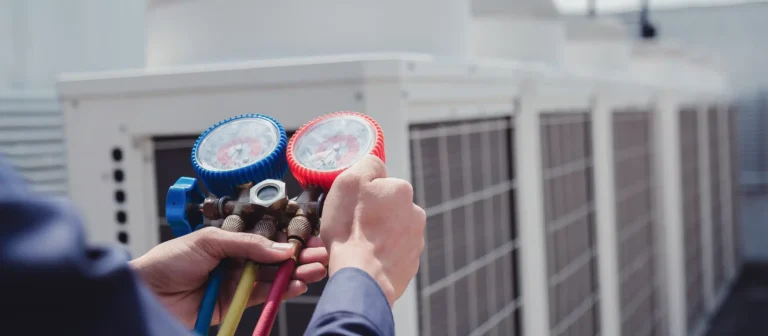
The right lighting does not just make a home prettier. It makes stairs safer, kitchens easier to use, bathrooms more flattering, patios more inviting, and service areas less miserable for the people keeping your plumbing, heating, cooling, and electrical systems alive. It can lower energy use, improve security, and make a room feel finished in a way paint alone never quite manages.
Call a professional before the ladder starts wobbling, before the fixture proves heavier than advertised, before the switch box reveals a nest of ancient wiring, and definitely before your outdoor lighting plan turns the shrubs into a crime scene. Good lighting should feel effortless when it is done. Getting there takes planning, trade skill, and enough humility to admit that electricity deserves more respect than a weekend guess.
Name: Service Lion Plumbing Heating Air Electric
Address: 521 W Briardale Ave, Orange, CA 92865, United States
Phone: (657) 567-7305
Website: https://callservicelion.com/
Email: [email protected]
Hours:
Monday: Open 24 hours
Tuesday: Open 24 hours
Wednesday: Open 24 hours
Thursday: Open 24 hours
Friday: Open 24 hours
Saturday: Open 24 hours
Sunday: Open 24 hours
Open-location code: R48R+WV Orange, California, USA
Map/listing URL:
https://www.google.com/maps/search/?api=1&query=Google&query_place_id=ChIJQU4LBWHV3IARtnABtyykSA4
Google Map:
Socials:
https://www.facebook.com/ServiceLionCA/
https://www.youtube.com/channel/UCR_L35QzsRTxYZtX8PxJvPw
Local Service Information
Service Lion Plumbing Heating Air Electric provides plumbing, drain, heating, air conditioning, and electrical services from its Orange, California location.The company serves homeowners and properties throughout Orange and communities across Orange County and surrounding areas.
Available services include plumbing repairs, water heater work, drain and sewer services, heating and cooling service, electrical repairs, panels, lighting, outlets, and related home-system work.
Service is available for residential properties as well as light commercial needs described within the company's local service-area information.
The company's website emphasizes locally operated service, coordinated home-system support, and practical scheduling for plumbing, HVAC, and electrical needs.
The matching public business listing shows the Orange location as open 24 hours a day, seven days a week.
For service information or scheduling, call (657) 567-7305 or visit https://callservicelion.com/.
The public map listing identifies the business at 521 W Briardale Ave, Orange, CA 92865 and can be used for location and direction information.
Popular Questions About Service Lion Plumbing Heating Air Electric
What services does Service Lion Plumbing Heating Air Electric provide?
The company provides plumbing, drain and sewer, heating, air conditioning, and electrical services. Its published services include plumbing repair, water heaters, drain clearing, sewer work, HVAC repair and installation, electrical repairs, panels, circuit breakers, lighting, outlets, and related services.
Where is Service Lion Plumbing Heating Air Electric located?
The matching business location is 521 W Briardale Ave, Orange, CA 92865, United States.
What areas does Service Lion Plumbing Heating Air Electric serve?
The company serves Orange County and surrounding communities. Its published service-area information includes Orange, Anaheim, Brea, Yorba Linda, Fullerton, Huntington Beach, Newport Beach, Costa Mesa, Irvine, Lake Forest, and additional nearby cities.
Is Service Lion Plumbing Heating Air Electric open 24 hours?
The matching public business listing shows the location as open 24 hours on Monday through Sunday.
Does Service Lion Plumbing Heating Air Electric work on drains and sewer lines?
Yes. Published services include drain clearing, rooter service, camera inspection, hydro jetting, sewer line repair and installation, water line work, slab leak detection, and trenchless sewer line repair.
Does Service Lion Plumbing Heating Air Electric provide heating and air conditioning service?
Yes. Its published HVAC services include air conditioning repair and installation, heating service, furnace work, heat pumps, air ducts, indoor air quality assessments, and thermostat installation.
Does Service Lion Plumbing Heating Air Electric provide electrical service?
Yes. Published electrical services include repairs and installations, electrical panels, circuit breakers, safety inspections, lighting, outlets and switches, surge protection, generators, and EV charging equipment installation.
How can I contact Service Lion Plumbing Heating Air Electric?
Call (657) 567-7305.
Email: [email protected]
Website: https://callservicelion.com/
Facebook: https://www.facebook.com/ServiceLionCA/
Landmarks Near Orange, California
Old Towne Orange Historic District
A central historic district and useful geographic reference point for the Orange community.
Plaza Park
A well-known public gathering point in the center of Old Towne Orange.
Orange Public Library & History Center
A civic landmark serving residents near central Orange.
Hart Park
A major public park and recreation area south of central Orange.
Eisenhower Park
A public park serving neighborhoods in northern Orange.
Santiago Oaks Regional Park
A regional recreation and open-space landmark on the eastern side of Orange.
Irvine Regional Park
A large regional park and recognizable reference point east of the city.
Orange Park Acres
A distinctive residential community and service-area reference point in eastern Orange.
El Modena
An established Orange neighborhood that provides a practical local coverage reference.
Glassell Street
One of the city's principal north-south streets and a useful route through central Orange.
Lincoln Avenue
A major east-west roadway serving northern Orange and nearby communities.
State Route 55
A primary regional freeway connecting Orange with other parts of Orange County.